





Cold water therapy has become increasingly popular among athletes, wellness enthusiasts, and individuals seeking natural ways to improve their physical and mental well-being. From cold showers to ice baths, this age-old practice is gaining attention for its potential to support recovery, boost energy, and promote overall health.
At Naturaplug.com, we believe in exploring evidence-based wellness practices that complement a healthy lifestyle. In this guide, we’ll discuss the science behind cold water therapy, its potential benefits, and how you can safely incorporate it into your routine.
What Is Cold Water Therapy?
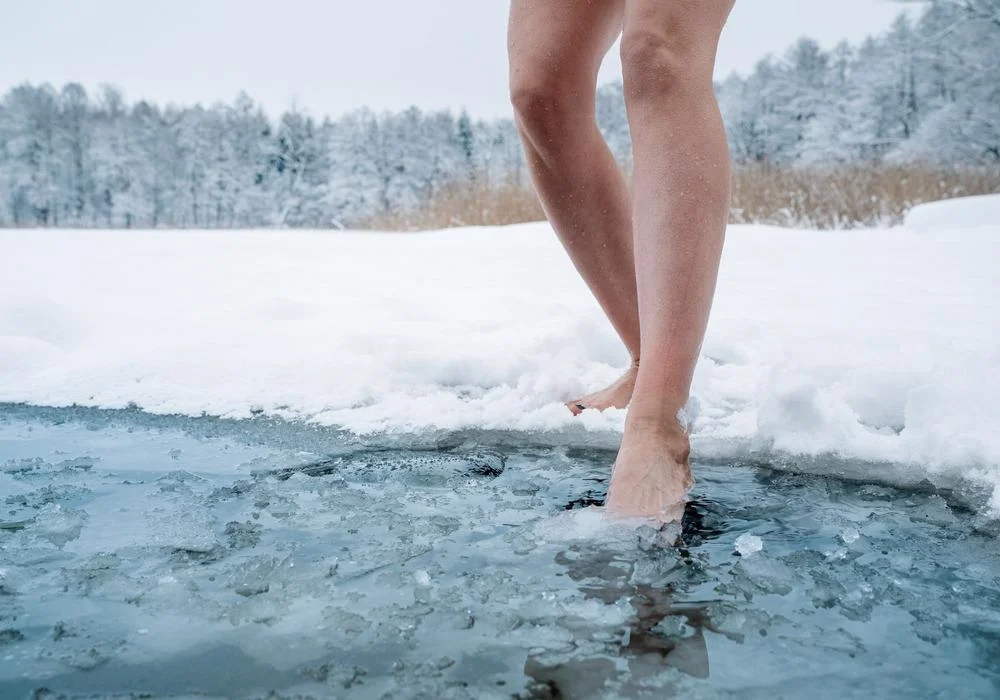
Cold water therapy, also known as cold hydrotherapy or cold immersion therapy, involves exposing the body to cold water for a short period. This can include:
- Cold showers
- Ice baths
- Cold plunges
- Swimming in cold water
- Contrast therapy (alternating hot and cold water)
The practice has been used for centuries across different cultures to promote health, recovery, and resilience.
How Does Cold Water Therapy Work?
When your body is exposed to cold temperatures, several physiological responses occur:
- Blood vessels constrict (vasoconstriction)
- Heart rate temporarily increases
- Circulation adapts to preserve core temperature
- Stress hormones are released
- Metabolic activity may increase
Once you warm up again, blood flow returns to normal, which may help deliver oxygen and nutrients throughout the body.
Benefits of Cold Water Therapy | Naturaplug
1. Supports Muscle Recovery
One of the most recognized benefits of cold water therapy Naturaplug explores is post-exercise recovery.
Cold exposure may help:
- Reduce muscle soreness
- Minimize temporary inflammation after intense exercise
- Promote recovery
- Support athletic performance
Many athletes use ice baths after demanding workouts to speed up recovery.
2. May Help Reduce Inflammation
Inflammation is a natural response to physical stress and injury. Short-term cold exposure may help manage exercise-induced inflammation and swelling.
Potential benefits include:
- Temporary relief from soreness
- Reduced tissue stress
- Improved comfort after physical activity
However, cold therapy should not replace medical treatment for injuries or chronic inflammatory conditions.
3. Boosts Energy and Alertness
A cold shower can provide an instant feeling of wakefulness.
Cold water stimulates the nervous system and may:
- Increase alertness
- Enhance focus
- Improve concentration
- Provide a natural energy boost
Many people incorporate cold showers into their morning routine to start the day feeling refreshed.
4. Supports Mental Resilience
Cold exposure requires the body and mind to adapt to temporary stress.
Regular practice may help individuals:
- Build mental toughness
- Improve stress management
- Increase resilience
- Develop greater self-discipline
Some people find that controlled cold exposure contributes to a greater sense of accomplishment and well-being.
5. May Improve Mood
Research suggests that cold exposure may stimulate the release of certain neurotransmitters associated with mood and well-being.
Potential effects include:
- Increased feelings of vitality
- Improved mood
- Reduced stress levels
- Enhanced overall wellness
Although cold water therapy is not a treatment for mental health conditions, it may complement other healthy lifestyle habits.
6. Encourages Healthy Circulation
Cold temperatures cause blood vessels near the skin to narrow temporarily.
As the body warms up afterward, circulation increases, helping transport:
- Oxygen
- Nutrients
- Essential compounds
Healthy circulation supports overall wellness and recovery.
7. May Support Immune Function
Some studies suggest that regular cold exposure may positively influence immune system activity.
Potential benefits include:
- Increased resilience
- Enhanced overall wellness
- Improved adaptation to stress
However, more research is needed to fully understand the relationship between cold water therapy and immunity.
8. Can Promote Better Sleep
Some individuals report improved sleep quality after cold exposure.
This may be due to:
- Reduced stress
- Relaxation after warming up
- Improved recovery
- Better body temperature regulation
Quality sleep remains one of the most important pillars of overall health.
9. Supports Metabolic Health
Exposure to cold temperatures may activate brown adipose tissue, commonly known as brown fat.
Brown fat helps generate heat and may contribute to:
- Increased calorie expenditure
- Metabolic function
- Energy balance
Researchers continue to study the long-term effects of cold exposure on metabolism.
10. Enhances Recovery After Physical Activity
Cold immersion is commonly used by athletes because it may:
- Reduce delayed onset muscle soreness (DOMS)
- Improve comfort after training
- Promote physical recovery
- Support performance consistency
Different Types of Cold Water Therapy
Cold Showers
Cold showers are the easiest way to start.
Benefits include:
- Convenience
- No special equipment required
- Improved alertness
- Easy integration into daily routines
Recommended Duration
Start with:
- 30 seconds to 1 minute
Gradually work up to:
- 2–5 minutes
Ice Baths
Ice baths involve immersing the body in cold water, usually between 50°F and 59°F (10°C–15°C).
Commonly used by athletes, ice baths may support:
- Recovery
- Muscle soreness management
- Post-workout comfort
Recommended Duration
Typically:
- 5–15 minutes
Cold Plunges
Cold plunge pools are designed specifically for cold immersion.
They provide:
- Controlled temperatures
- Consistent exposure
- A popular option among wellness enthusiasts
Contrast Therapy
Contrast therapy alternates between hot and cold water exposure.
Potential benefits include:
- Improved circulation
- Muscle recovery
- Relaxation
How to Start Cold Water Therapy Safely
If you’re new to cold exposure, begin gradually.
Step 1: Start with Warm Water
Take your normal shower.
Step 2: Finish with Cold Water
End with 20–30 seconds of cold water.
Step 3: Increase Duration Slowly
Over time, work toward:
- 1 minute
- 2 minutes
- 3–5 minutes
Step 4: Focus on Breathing
Slow, controlled breathing helps your body adapt to the cold.
Step 5: Stay Consistent
Regular exposure is often more beneficial than occasional extreme sessions.
Best Times for Cold Water Therapy
Morning
Cold showers in the morning may:
- Boost energy
- Increase alertness
- Enhance focus
After Exercise
Athletes often use cold immersion to support recovery.
During Stressful Periods
Some people find cold exposure helps them feel more resilient and mentally refreshed.
Who May Benefit from Cold Water Therapy?
Cold water therapy is popular among:
- Athletes
- Fitness enthusiasts
- Busy professionals
- Individuals seeking natural wellness practices
- People interested in recovery and resilience
Who Should Avoid Cold Water Therapy?
Cold exposure may not be suitable for everyone.
People with the following conditions should consult a healthcare professional before starting:
- Heart disease
- High blood pressure
- Cardiovascular disorders
- Circulation problems
- Respiratory conditions
- Pregnancy
Sudden cold exposure can place stress on the body, making safety especially important.
Common Mistakes to Avoid
Starting Too Aggressively
Jumping into extremely cold water immediately can be overwhelming.
Begin gradually.
Holding Your Breath
Deep, steady breathing helps your body adjust.
Staying Too Long
Longer isn’t always better.
Moderate exposure is generally recommended.
Ignoring Your Body’s Signals
If you experience:
- Severe discomfort
- Dizziness
- Chest pain
- Difficulty breathing
Exit the cold water and seek medical attention if symptoms persist.
Combining Cold Water Therapy with Other Wellness Habits
At Naturaplug, we believe cold therapy works best when combined with:
Balanced Nutrition
Consume whole foods rich in:
- Fruits
- Vegetables
- Lean proteins
- Healthy fats
Quality Sleep
Aim for 7–9 hours of sleep each night.
Regular Exercise
Maintain a consistent fitness routine.
Hydration
Drink enough water throughout the day.
Stress Management
Incorporate:
- Meditation
- Yoga
- Deep breathing
- Mindfulness
Frequently Asked Questions
Does cold water therapy really work?
Many people report positive experiences, and research supports certain benefits related to recovery, circulation, and mental resilience. However, individual results may vary.
How long should a cold shower last?
Beginners can start with 30 seconds and gradually increase to 2–5 minutes.
Is cold water therapy safe every day?
For many healthy individuals, daily cold showers are generally considered safe. However, those with medical conditions should seek professional guidance.
Can cold water therapy help with muscle soreness?
Yes. Cold immersion is widely used to support recovery and reduce post-exercise discomfort.
Does cold water therapy boost metabolism?
Cold exposure may activate brown fat and temporarily increase energy expenditure, though more research is needed.
Final Thoughts
Cold water therapy Naturaplug explores is more than just a wellness trend. From supporting muscle recovery and promoting circulation to boosting alertness and building mental resilience, cold exposure offers several potential benefits when practiced safely.
Whether you choose cold showers, ice baths, or cold plunges, consistency and moderation are key. Combined with healthy nutrition, exercise, quality sleep, and stress management, cold water therapy can become a valuable addition to your overall wellness routine.
At Naturaplug, our goal is to help you discover natural and sustainable ways to support your health. As with any wellness practice, listen to your body, prioritize safety, and consult a healthcare professional if you have underlying health concerns.









Discussion about this post