








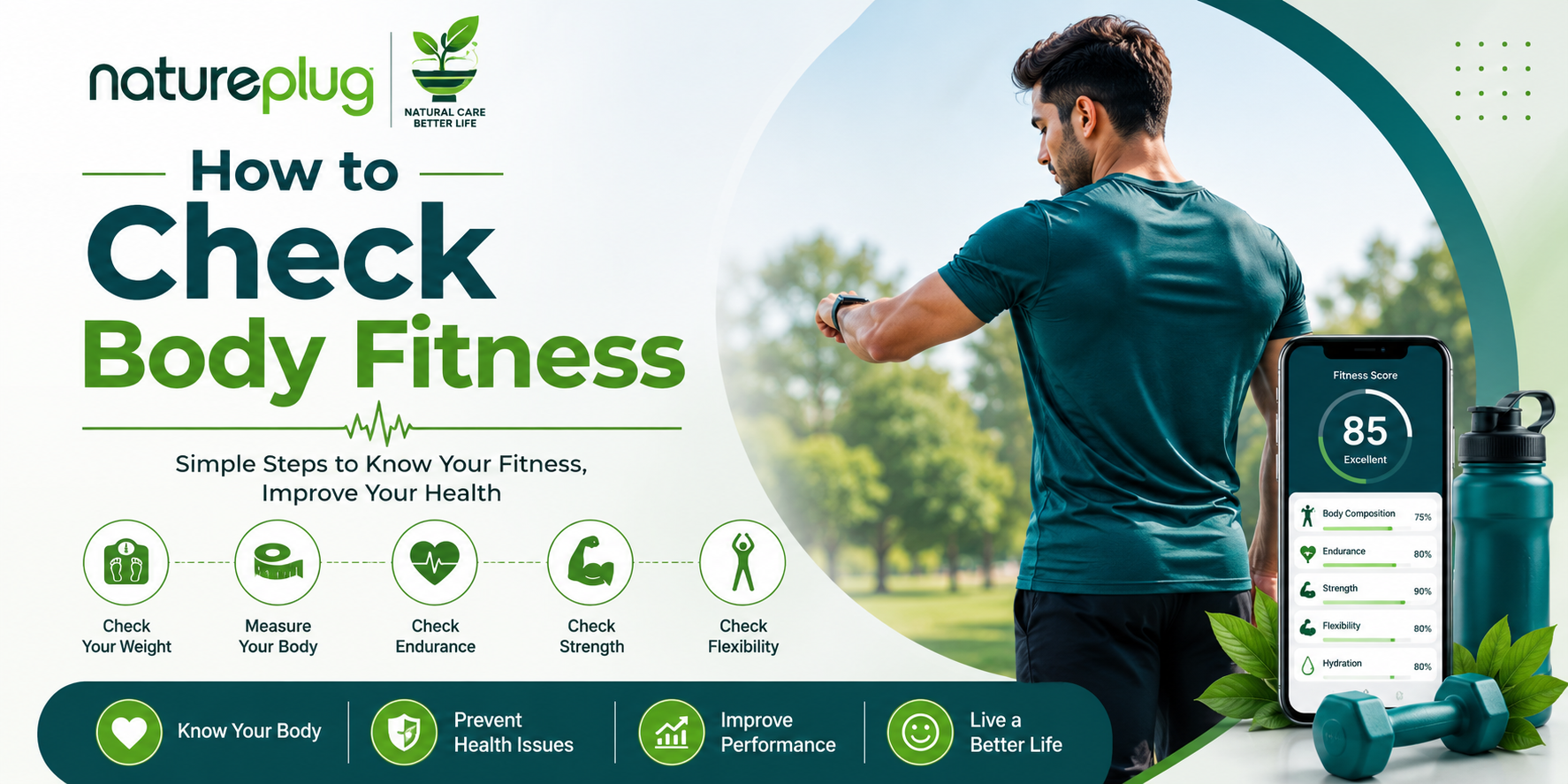
Many people focus on fitness goals such as losing weight, building muscle, or improving endurance. However, before starting any fitness journey, it’s important to understand your current physical condition. That’s why many individuals search for How to Check Body Fitness TheSpoonAthletic to learn practical ways to evaluate their overall health and fitness level.
Checking your fitness regularly helps you identify strengths, recognize areas for improvement, and track progress over time. Whether you’re a beginner, recreational athlete, or someone returning to exercise after a break, understanding your baseline fitness can help you create a more effective workout plan.
This Naturaplug.com guide explores the best methods for assessing body fitness, improving performance, and building sustainable healthy habits.
Why Is It Important to Check Your Body Fitness?
Fitness assessments provide valuable insights into your physical health and performance. Instead of relying solely on appearance or body weight, fitness testing helps measure how efficiently your body functions.
Benefits of Regular Fitness Assessments
- Establish a clear fitness baseline
- Set realistic health and fitness goals
- Track improvements over time
- Identify physical strengths and weaknesses
- Reduce the risk of injury
- Improve exercise planning
- Monitor body composition changes
A well-rounded fitness evaluation looks beyond weight and considers strength, endurance, flexibility, mobility, and overall wellness.
How to Check Body Fitness TheSpoonAthletic Method
TheSpoonAthletic recommends assessing multiple components of fitness rather than focusing on a single measurement. This provides a more complete picture of your health.
1. Measure Body Composition
Body composition is one of the most important indicators of overall fitness.
Key Metrics to Track
Body Mass Index (BMI)
BMI compares your weight to your height and provides a general indication of whether your weight falls within a healthy range.
Body Fat Percentage
Body fat percentage offers a more accurate assessment of body composition by measuring fat mass relative to lean body mass.
Muscle Mass
Tracking muscle mass helps monitor strength development and overall physical progress.
Common Measurement Tools
- Smart scales
- Body composition analyzers
- Skinfold calipers
- Professional fitness assessments
Rather than focusing on a single measurement, monitor trends over several weeks or months.
2. Evaluate Your Strength
Strength is a key component of physical fitness and daily functionality.
Simple Strength Tests
Push-Up Test
Push-ups assess upper-body strength and muscular endurance.
Measure:
- Total repetitions
- Proper form
- Progress over time
Squat Test
Bodyweight squats evaluate:
- Lower-body strength
- Mobility
- Balance
- Joint stability
Plank Hold
Planks help measure:
- Core strength
- Stability
- Muscular endurance
Recording your results weekly can help you track gradual improvements.
3. Assess Cardiovascular Fitness
Cardiovascular endurance reflects how efficiently your heart and lungs deliver oxygen during physical activity.
Popular Cardio Fitness Tests
One-Mile Walk or Run Test
Time how long it takes to complete one mile and compare future results.
Heart Rate Recovery Test
After exercise, monitor how quickly your heart rate returns to normal.
A faster recovery often indicates better cardiovascular conditioning.
Benefits of Strong Cardio Fitness
- Improved stamina
- Better heart health
- Increased energy levels
- Enhanced weight management
- Improved mental well-being
Regular aerobic exercise plays an important role in long-term health.
4. Test Flexibility and Mobility
Flexibility contributes to better movement quality and reduced injury risk.
Sit-and-Reach Test
This common assessment measures flexibility in:
- Hamstrings
- Lower back
- Hips
Improved flexibility can enhance exercise performance and daily movement.
Mobility Evaluation
Pay attention to:
- Squat depth
- Shoulder mobility
- Hip movement
- Range of motion
Mobility exercises can help improve overall physical function.
5. Check Balance and Stability
Balance is often overlooked but plays an important role in athletic performance and injury prevention.
Single-Leg Balance Test
Stand on one leg and measure how long you can maintain stability.
This simple test evaluates:
- Coordination
- Core engagement
- Balance control
Improving balance can support better movement patterns and athletic performance.
Fitness Assessment Quick Reference Table
| Fitness Component | Recommended Test | Purpose | Frequency |
|---|---|---|---|
| Body Composition | BMI, Body Fat %, Muscle Mass | Overall body composition | Monthly |
| Strength | Push-Ups, Squats, Plank | Muscular strength and endurance | Weekly |
| Cardiovascular Fitness | One-Mile Walk/Run | Endurance and stamina | Every 2 Weeks |
| Flexibility | Sit-and-Reach Test | Mobility and flexibility | Weekly |
| Balance | Single-Leg Stand | Stability and coordination | Weekly |
Tracking these metrics provides a well-rounded understanding of your fitness level.
Advice TheSpoonAthletic Provides for Better Fitness Tracking
One of the most important lessons emphasized by TheSpoonAthletic is consistency.
Practical Fitness Recommendations
- Set realistic and measurable goals
- Track workouts regularly
- Monitor progress monthly
- Balance strength and cardio training
- Include flexibility exercises
- Prioritize recovery and sleep
- Focus on long-term consistency
Small improvements accumulated over time often produce the best results.
Fitness Tip of the Day TheSpoonAthletic
Daily habits can have a significant impact on overall fitness.
Simple Daily Fitness Habits
Start Your Day with Movement
Spend 5–10 minutes performing:
- Dynamic stretches
- Mobility exercises
- Light bodyweight movements
Add Short Cardio Sessions
Activities such as:
- Brisk walking
- Cycling
- Jump rope
- Light jogging
can improve cardiovascular health and energy levels.
Stay Hydrated
Proper hydration supports:
- Physical performance
- Recovery
- Energy production
- Joint health
Track Your Progress
Maintain a simple fitness journal or mobile app to record:
- Workouts
- Strength gains
- Body measurements
- Personal achievements
Consistency creates measurable results over time.
Supplement Management TheSpoonAthletic Approach
While exercise and nutrition form the foundation of fitness, supplements may provide additional support when used appropriately.
Common Supplements Used by Active Individuals
Protein Supplements
Help support:
- Muscle recovery
- Muscle growth
- Daily protein intake
Vitamins and Minerals
Support:
- Immune function
- Energy production
- Overall health
Electrolytes and Recovery Products
May assist with:
- Hydration
- Recovery after intense exercise
- Physical performance
Supplements should complement a balanced diet rather than replace healthy eating habits.
How to Improve Your Fitness After Testing
Once you’ve evaluated your fitness level, focus on gradual improvement.
Build a Balanced Routine
An effective fitness program typically includes:
- Strength training
- Cardiovascular exercise
- Mobility work
- Flexibility training
- Recovery days
Prioritize Recovery
Recovery is essential for:
- Muscle repair
- Injury prevention
- Energy restoration
- Long-term performance
Aim for quality sleep and adequate rest between challenging workouts.
Integrating Fitness into Your Lifestyle
Fitness should become part of your daily routine rather than a short-term project.
Practical Lifestyle Habits
Stay Active Throughout the Day
Simple activities include:
- Taking the stairs
- Walking during breaks
- Standing more frequently
- Performing short movement sessions
Practice Mind-Body Wellness
Activities such as yoga, stretching, and mindfulness can improve both physical and mental health.
Improve Confidence Naturally
Regular exercise often contributes to:
- Better posture
- Increased energy
- Improved mood
- Enhanced self-confidence
These benefits extend beyond physical appearance.
Frequently Asked Questions
How do I check my body fitness level at home?
You can assess your fitness using body composition measurements, push-up tests, plank holds, flexibility assessments, balance tests, and cardiovascular endurance exercises such as a one-mile walk or run.
How often should I test my fitness?
Most fitness assessments can be performed weekly or biweekly, while body composition measurements are typically tracked monthly.
What is the most important fitness measurement?
There is no single measurement. A complete fitness evaluation includes strength, endurance, flexibility, balance, and body composition.
Can beginners use the TheSpoonAthletic fitness assessment approach?
Yes. The methods outlined in this guide are beginner-friendly and can be adapted to different fitness levels.
Why should I track fitness progress?
Tracking progress helps maintain motivation, measure improvement, and identify areas that need additional attention.
Conclusion
Understanding How to Check Body Fitness TheSpoonAthletic starts with evaluating multiple aspects of health, including body composition, strength, cardiovascular endurance, flexibility, and balance. These measurements provide valuable insights into your overall fitness level and help create realistic goals for long-term improvement.
By regularly assessing your progress, following consistent exercise habits, prioritizing recovery, and maintaining a healthy lifestyle, you can build sustainable fitness routines that support both physical performance and overall well-being. Remember that fitness is a lifelong journey, and every small step contributes to better health, greater confidence, and improved quality of life.









Discussion about this post