








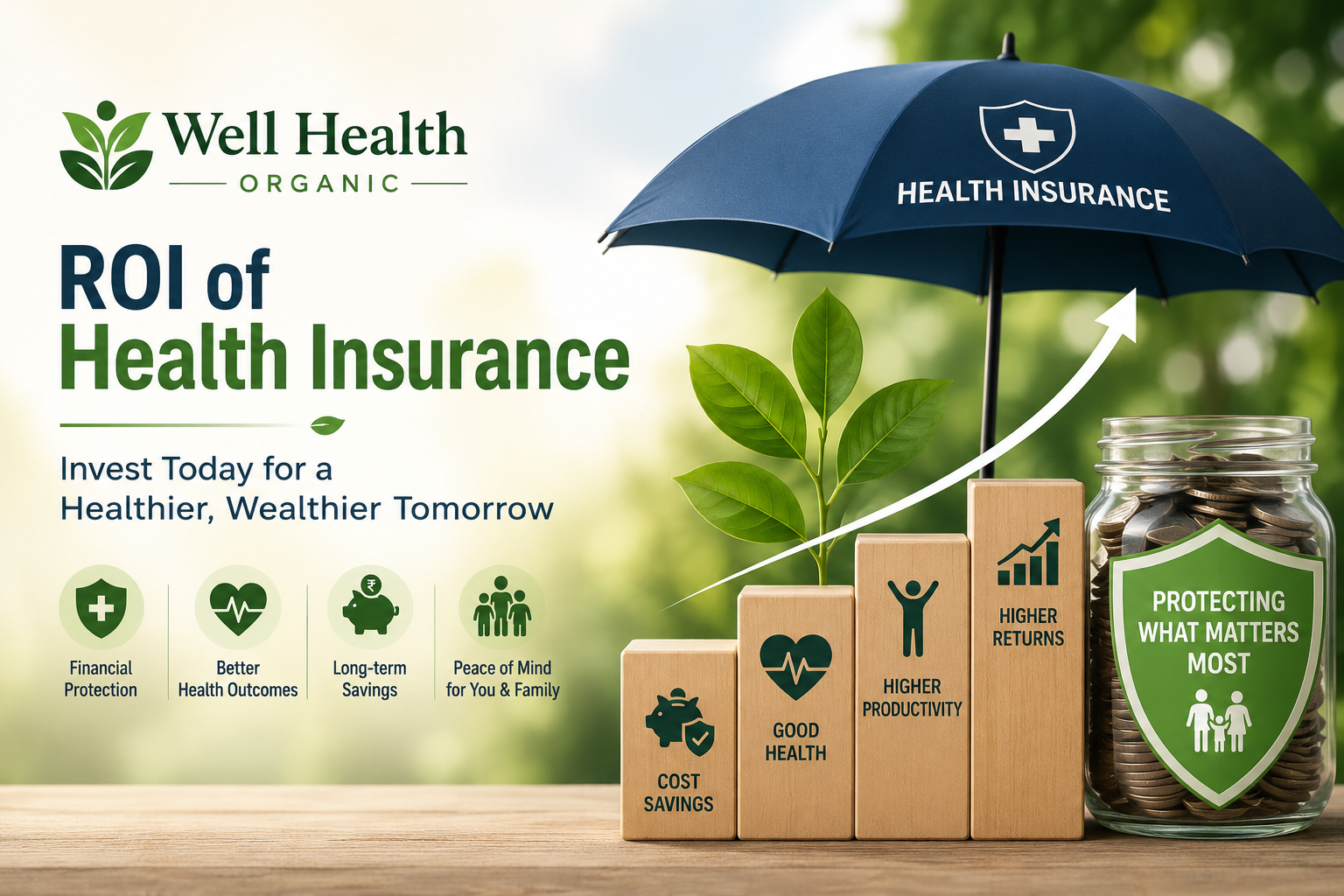
Health insurance is often viewed as a monthly expense, but in reality, it can be one of the most valuable investments a person makes. When people search for “well health organic ROI of health insurance,” they usually want to understand whether health insurance truly provides a worthwhile return and how it contributes to overall well-being.
The return on investment (ROI) of health insurance is not measured only in money saved. It also includes access to quality healthcare, financial security, preventive care, and peace of mind. In a world where medical costs continue to rise, having adequate coverage can protect both your health and your finances.
Well Health Organic ROI of Health Insurance
Health insurance is more than a monthly expense—it is an investment in your physical and financial well-being. The well health organic ROI of health insurance refers to the overall value you receive from your coverage, including lower medical costs, access to preventive care, and protection against unexpected healthcare expenses. A good insurance plan helps individuals and families manage risks while supporting long-term health.
Key Takeaways
| Aspect | Benefit |
|---|---|
| Financial Protection | Helps reduce the burden of expensive medical bills |
| Preventive Care | Encourages regular checkups and early diagnosis |
| Emergency Coverage | Provides support during accidents or serious illnesses |
| Long-Term Health | Promotes better health outcomes through timely treatment |
| Peace of Mind | Reduces stress and financial uncertainty |
What Does ROI Mean in Health Insurance?
ROI, or Return on Investment, refers to the benefits you receive compared to the amount you spend. In terms of health insurance, ROI goes beyond simple calculations.
A strong health insurance plan can provide value through:
- Reduced out-of-pocket medical expenses.
- Access to preventive healthcare services.
- Protection against unexpected emergencies.
- Improved long-term health outcomes.
- Lower financial stress for individuals and families.
Instead of viewing premiums as a cost, many experts consider health insurance a tool that helps maintain physical and financial wellness.
Why Health Insurance Is More Than a Financial Product
Health insurance plays a major role in supporting a healthy lifestyle. Without coverage, people often delay medical appointments or avoid preventive screenings because of high costs. This can lead to more serious health issues later.
Insurance helps individuals:
- Schedule regular checkups.
- Detect illnesses early.
- Receive timely treatment.
- Access specialist care when needed.
- Manage chronic conditions effectively.
These benefits contribute to better health and may reduce healthcare expenses over time.
The Financial ROI of Health Insurance
One of the biggest advantages of health insurance is protection from unexpected medical bills. A single hospitalization or surgery can cost thousands of dollars. Insurance helps absorb a significant portion of these expenses.
Example
Suppose a person pays:
- Annual insurance premium: $2,500
During the year, they experience:
- Emergency hospitalization: $18,000
- Diagnostic tests: $1,500
- Prescription medications: $700
Without insurance, total expenses would reach $20,200.
With insurance, their total personal spending might remain close to their premium and deductible amount, resulting in substantial savings.
This difference demonstrates how health insurance can provide a positive financial return during medical emergencies.
Preventive Care Increases Long-Term Value
Preventive healthcare is one of the most overlooked aspects of insurance ROI. Many plans cover preventive services because early detection often reduces future treatment costs.
Preventive services may include:
- Annual physical examinations.
- Blood pressure checks.
- Cholesterol screenings.
- Vaccinations.
- Diabetes screening.
- Cancer screenings.
Regular monitoring helps identify potential health issues before they become severe. This proactive approach improves quality of life and minimizes expensive medical interventions.
Mental Peace Is an Important Part of ROI
The value of health insurance is not limited to numbers. Knowing that medical care is available when needed can reduce stress and anxiety.
People with adequate coverage often experience:
- Greater confidence during emergencies.
- Less financial uncertainty.
- Better access to healthcare providers.
- Improved overall well-being.
Peace of mind may not have a direct dollar value, but it significantly affects a person’s quality of life.
How Health Insurance Supports Healthy Living
Good health insurance encourages individuals to prioritize wellness. Many modern insurance plans include additional health-related benefits, such as:
Wellness Programs
Some insurers offer:
- Fitness incentives.
- Weight management support.
- Nutrition counseling.
- Smoking cessation programs.
Telemedicine Services
Virtual healthcare consultations make it easier to receive medical advice without visiting a clinic.
Chronic Disease Management
Insurance providers often support patients dealing with:
- Diabetes.
- Heart disease.
- High blood pressure.
- Asthma.
These programs help individuals manage conditions effectively and prevent complications.
Factors That Influence the ROI of Health Insurance
Not all insurance plans provide the same value. Several factors affect the return you receive from your coverage.
1. Premium Costs
Lower premiums may seem attractive, but they can come with higher deductibles and limited benefits. Balancing affordability with adequate coverage is important.
2. Network of Healthcare Providers
Plans with larger provider networks give greater flexibility and easier access to doctors and specialists.
3. Deductibles and Co-Payments
Understanding your out-of-pocket expenses helps determine the actual value of a policy.
4. Prescription Drug Coverage
Medication costs can become expensive. A plan with comprehensive prescription benefits can significantly increase ROI.
5. Preventive Care Benefits
Coverage for routine screenings and wellness visits adds long-term value.
The Organic Approach to Health and Insurance
The phrase “well health organic” emphasizes a holistic approach to wellness. While maintaining healthy habits is essential, even individuals with excellent lifestyles may face unexpected illnesses or accidents.
Combining healthy living with health insurance creates a balanced approach to long-term wellness.
Healthy habits include:
- Eating nutrient-rich foods.
- Staying physically active.
- Getting sufficient sleep.
- Managing stress effectively.
- Avoiding tobacco and excessive alcohol.
Health insurance complements these practices by ensuring access to medical care when needed.
Common Misconceptions About Health Insurance ROI
“I Rarely Visit a Doctor, So Insurance Is a Waste”
Many healthy individuals believe they don’t need insurance. However, accidents and sudden illnesses can occur at any time. Insurance protects against unforeseen events.
“Cheap Plans Always Provide Better Value”
Low-cost plans may have limited coverage or high deductibles. Evaluating benefits is more important than focusing solely on price.
“ROI Is Only About Saving Money”
Health insurance also provides value through:
- Early diagnosis.
- Access to quality care.
- Reduced stress.
- Better long-term health outcomes.
Tips to Maximize the ROI of Your Health Insurance
You can increase the value of your policy by using available benefits wisely.
Schedule Preventive Checkups
Routine screenings can help detect health problems early.
Stay In-Network
Using approved healthcare providers often lowers costs.
Understand Your Policy
Review:
- Coverage limits.
- Deductibles.
- Co-payments.
- Prescription benefits.
Use Wellness Programs
Take advantage of fitness incentives and health coaching if your plan offers them.
Maintain Healthy Habits
A healthy lifestyle can reduce medical expenses and improve overall well-being.
Is Health Insurance Worth the Investment?
For most individuals and families, the answer is yes. Health insurance provides protection that extends beyond financial savings. It supports preventive care, improves access to medical services, and offers security during uncertain times.
The true well health organic ROI of health insurance lies in maintaining a healthier life while avoiding potentially devastating medical expenses. Whether you require routine checkups or face unexpected emergencies, having appropriate coverage can make a significant difference in your physical, emotional, and financial health.
Final Thoughts
Understanding the well health organic ROI of health insurance requires looking beyond monthly premiums. The value of health insurance comes from the combination of financial protection, preventive care, improved health outcomes, and peace of mind.
When viewed as a long-term investment rather than an expense, health insurance becomes an essential component of a healthy and secure lifestyle. Choosing the right plan and making full use of its benefits can help maximize your return while supporting overall well-being for years to come.










Discussion about this post