Cold Water Therapy: Benefits, Science, and Wellness Tips | Naturaplug

Cold water therapy refers to brief exposure to cold water through methods such as cold showers, cold-water immersion, or ice baths. People use it for reasons ranging from post-exercise recovery to feeling more alert. Research suggests that some benefits may exist, but many popular claims about cold exposure are stronger than the evidence currently supports.
At a Glance
- What it is: Brief exposure to cold water, usually through a shower, plunge, or bath.
- Common reasons for use: Exercise recovery, alertness, mood, and adaptation to cold.
- Potential benefit: It may temporarily reduce muscle soreness after strenuous exercise.
- Main concern: Sudden cold exposure can place significant stress on the cardiovascular system.
- Best approach: Start gradually rather than beginning with extremely cold water.
- Who should be cautious: People with cardiovascular conditions, circulation problems, or other medical concerns should speak with a healthcare professional before trying it.
What Is Cold Water Therapy?
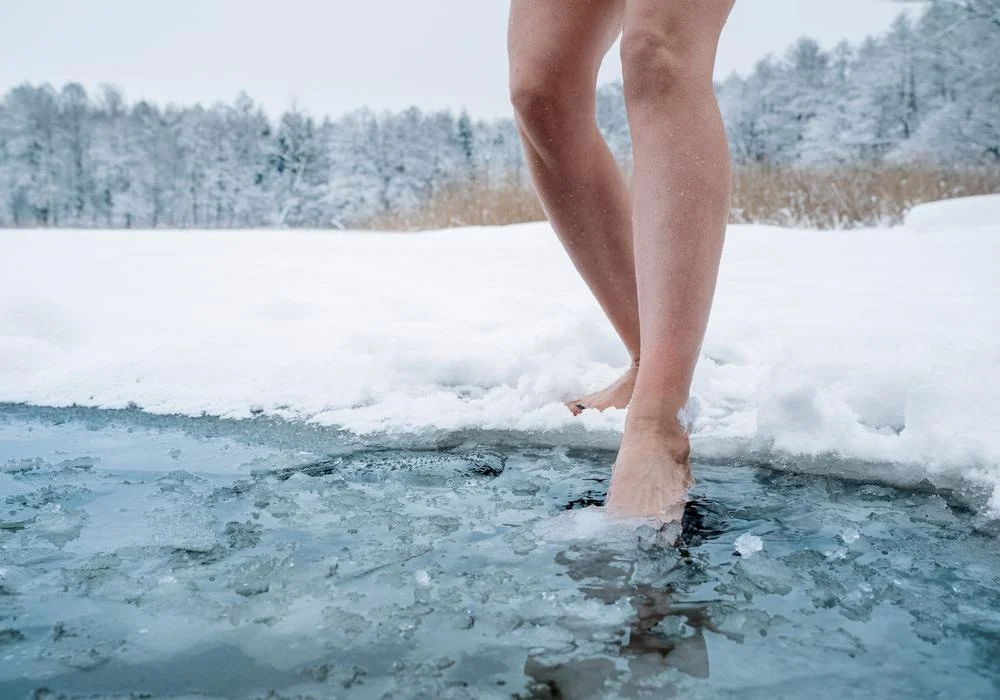
Cold water therapy is the practice of intentionally exposing the body to cold water for a limited period. It can include a cold shower at home, a cold plunge after exercise, or immersion in a tub containing cold water.
Cold exposure causes several immediate physical responses. Blood vessels near the skin narrow, breathing may become faster, and the body works to maintain its core temperature. These reactions are part of the body’s normal response to cold rather than proof that cold water is automatically beneficial.
The purpose also matters. An athlete may use cold-water immersion after intense exercise, while another person may take a cold shower because it makes them feel more awake. The expected effects, risks, and appropriate approach can differ depending on the situation.
What Are the Potential Benefits?
Research on cold exposure has produced some promising findings, but the evidence varies considerably from one claimed benefit to another. Cold water should not be treated as a cure or replacement for established medical care.
1. It May Reduce Muscle Soreness
Cold-water immersion is often used after strenuous exercise. Cooling the body can affect blood flow and inflammatory responses, which may help reduce the perception of muscle soreness for some people.
This does not mean cold water repairs damaged muscle faster or guarantees better athletic performance. The main potential advantage appears to be temporary relief from soreness and the feeling of recovery after demanding exercise.
2. It Can Increase Alertness
Cold water can produce a strong short-term stimulation response. Breathing and heart rate may increase, and the sudden sensation of cold can make a person feel more awake.
This is one reason some people prefer a cold shower in the morning. The effect is generally immediate rather than evidence of a long-term improvement in energy levels.
3. It May Affect Stress Response
Repeated exposure to manageable cold stress can cause the body to adapt to the sensation. Some people report feeling calmer or more mentally prepared after completing a brief cold-water session.
However, the psychological effects vary from person to person. Cold exposure should not be presented as a treatment for anxiety, depression, or other mental health conditions.
4. It May Support Cold Adaptation
Regular, controlled exposure can make cold temperatures feel less uncomfortable over time. The body can become more accustomed to the initial sensation and stress response.
That adaptation is different from becoming immune to cold-related injury. A person can still become dangerously cold if exposure is excessive.
Cold Water Therapy After Exercise
Cold-water immersion is particularly popular among athletes. The idea is simple: after intense exercise, the body is exposed to cold water for a short period in an attempt to reduce soreness and improve the feeling of recovery.
There is a trade-off, though. Some evidence suggests that frequent cold-water immersion immediately after resistance training may interfere with certain training adaptations, including processes involved in muscle growth.
For someone focused on building strength or muscle, using cold immersion after every workout may therefore be unnecessary. For someone dealing with substantial soreness after endurance exercise or competition, it may have a more practical role.
| Goal | Is cold exposure potentially useful? |
|---|---|
| Temporary muscle soreness relief | Yes, some evidence supports it |
| Feeling more alert | Possibly |
| Muscle growth | Frequent immediate use may not be ideal |
| Treating illness | No, it should not replace medical treatment |
| General wellness | Possible benefits, but evidence is still developing |
How to Try Cold Water More Safely
There is no requirement to begin with an extreme ice bath. In fact, jumping straight into very cold water creates unnecessary stress.
A more sensible approach is gradual exposure:
- Start with a normal shower.
- Reduce the temperature slightly near the end.
- Keep the cold period brief.
- Focus on controlled breathing rather than forcing prolonged exposure.
- Stop if there is severe discomfort, dizziness, chest pain, confusion, or difficulty breathing.
- Allow the body to warm naturally afterward.
Cold-water exposure should remain controlled. Longer exposure does not automatically mean greater benefit.
Cold Shower vs. Ice Bath
A cold shower and an ice bath are not equivalent.
A shower generally provides less complete exposure because only part of the body may be under continuous cold water. An ice bath or cold plunge exposes a larger portion of the body and can create a much stronger physiological response.
For a beginner, a cool-to-cold shower is generally a less aggressive way to experience cold exposure than immediately attempting an intense plunge.
What Temperature Is Used for Cold Water Therapy?
There is no single temperature that defines every form of cold-water therapy. Research protocols vary, and the appropriate temperature depends on the purpose, duration, person’s experience, and environment.
Very cold water can cause a rapid cold-shock response. The colder the water and the longer the exposure, the greater the physical stress can become.
This is why copying extreme cold-plunge routines seen online is a poor approach for beginners. A lower temperature is not automatically a better one.
Cold Water Therapy Risks
Cold water can be physically stressful, particularly when exposure is sudden or prolonged.
Cold Shock
Sudden immersion can cause an involuntary gasp, rapid breathing, increased heart rate, and a temporary rise in blood pressure. This response can be dangerous in some situations.
Hypothermia
Prolonged exposure can cause the body’s core temperature to fall. Shivering, confusion, weakness, and poor coordination can be warning signs that the body is becoming too cold.
Cardiovascular Stress
Cold exposure can place additional demand on the heart and circulatory system. People with known heart disease, certain blood-pressure problems, or other cardiovascular concerns should seek medical advice before attempting cold-water immersion.
Loss of Control
Cold water can affect coordination and physical performance. Open-water exposure carries additional risks because environmental conditions, currents, and water temperature can change quickly.
For that reason, unsupervised cold-water immersion is a poor choice, especially in natural bodies of water.
Who Should Avoid or Get Medical Advice First?
Cold-water exposure may not be appropriate for everyone. A healthcare professional can help determine whether it is reasonable for someone with:
- Cardiovascular disease
- Significant blood-pressure problems
- Circulation disorders
- Conditions affected by sudden temperature changes
- A history of fainting
- Other medical conditions that may make sudden cold exposure risky
People who are unsure should not rely on social-media challenges or advice from fitness influencers to determine whether cold immersion is safe.
Common Mistakes to Avoid
Starting Too Cold
Extreme temperatures are unnecessary for someone who has never tried cold exposure. Gradual exposure provides a more controlled starting point.
Staying in Too Long
Longer sessions do not guarantee better results. Prolonged exposure increases the risk of excessive cooling.
Ignoring Warning Signs
Pain, dizziness, confusion, unusual weakness, breathing difficulty, or chest discomfort should not be treated as signs that the session is “working.”
Treating It as a Cure-All
Cold water cannot replace sleep, adequate nutrition, appropriate exercise, medical treatment, or recovery time. Its possible benefits are relatively narrow compared with the broad claims sometimes made online.
Cold Water Therapy vs. Warm Water
Cold and warm water produce very different sensations and physiological responses.
| Feature | Cold Water | Warm Water |
|---|---|---|
| Immediate sensation | Stimulating and intense | Relaxing and soothing |
| Common use | Post-exercise recovery and alertness | Relaxation and comfort |
| Blood vessels | Generally constrict | Generally dilate |
| Main concern | Cold shock and excessive cooling | Burns or overheating |
| Beginner experience | Often challenging | Usually easier |
Neither approach is universally better. The useful choice depends on the person’s goal and circumstances.
Does Cold Water Therapy Burn Fat?
Cold exposure can increase energy expenditure because the body works to maintain its temperature. However, that does not make cold-water therapy a reliable weight-loss strategy.
Using cold water as a substitute for balanced nutrition and regular physical activity is unlikely to produce meaningful results. Claims that cold showers alone can dramatically accelerate fat loss are not supported by strong evidence.
Does Cold Water Therapy Boost Immunity?
This claim is often overstated. Some studies have explored associations between cold exposure and immune-related responses, but that does not establish cold-water therapy as a dependable method for preventing infections.
A cold shower should not be considered an immune treatment. Basic measures such as adequate sleep, nutrition, hygiene, vaccination when appropriate, and medical care have much stronger practical relevance.
Frequently Asked Questions
Is cold water therapy good for the body?
It may offer some benefits, particularly temporary relief from muscle soreness and increased alertness. The effects depend on the type and duration of exposure, and research does not support every wellness claim associated with it.
How long should a cold-water session last?
There is no universal duration that works for everyone. Beginners should avoid prolonged exposure and focus on controlled, gradual sessions rather than trying to tolerate extreme cold.
Is a cold shower the same as an ice bath?
No. A cold shower usually provides less complete exposure, while an ice bath or cold plunge can expose much of the body to substantially colder water.
Can cold water therapy help after exercise?
It may reduce the sensation of muscle soreness after strenuous exercise. However, frequent immediate use after resistance training may not be ideal for people whose primary goal is maximizing muscle growth and adaptation.
Can everyone use cold water therapy?
No. People with certain cardiovascular, circulation, or other medical conditions may face additional risks. Medical advice is appropriate when there is uncertainty.
Is cold water therapy better than a warm shower?
Neither is universally better. Cold water may feel stimulating and can have a role in post-exercise recovery, while warm water can be more comfortable and relaxing.
Final Takeaway
Cold water therapy has some legitimate uses, especially for temporary muscle-soreness relief and short-term alertness. It is not a cure-all, and the strongest claims surrounding immunity, fat loss, and major health improvements go beyond what current evidence can firmly establish.
A gradual approach makes more sense than extreme exposure. Anyone with a medical condition that could make sudden cold exposure risky should get professional guidance before trying it.
Disclaimer: This article is provided for general educational purposes by NaturaPlug.com and does not replace professional medical advice, diagnosis, or treatment. Anyone with a medical condition or concern about cold-water exposure should consult a qualified healthcare professional before starting.