







Quick Overview
Well Health Organic Skin Care focuses on maintaining healthy, radiant skin through natural ingredients and simple daily habits. Organic skincare products are often made with plant-based ingredients and are generally free from harsh chemicals, making them a popular choice for people who want a gentler approach to skin care. Combined with a balanced diet, proper hydration, and a consistent routine, organic skincare can help support healthy-looking skin over time.
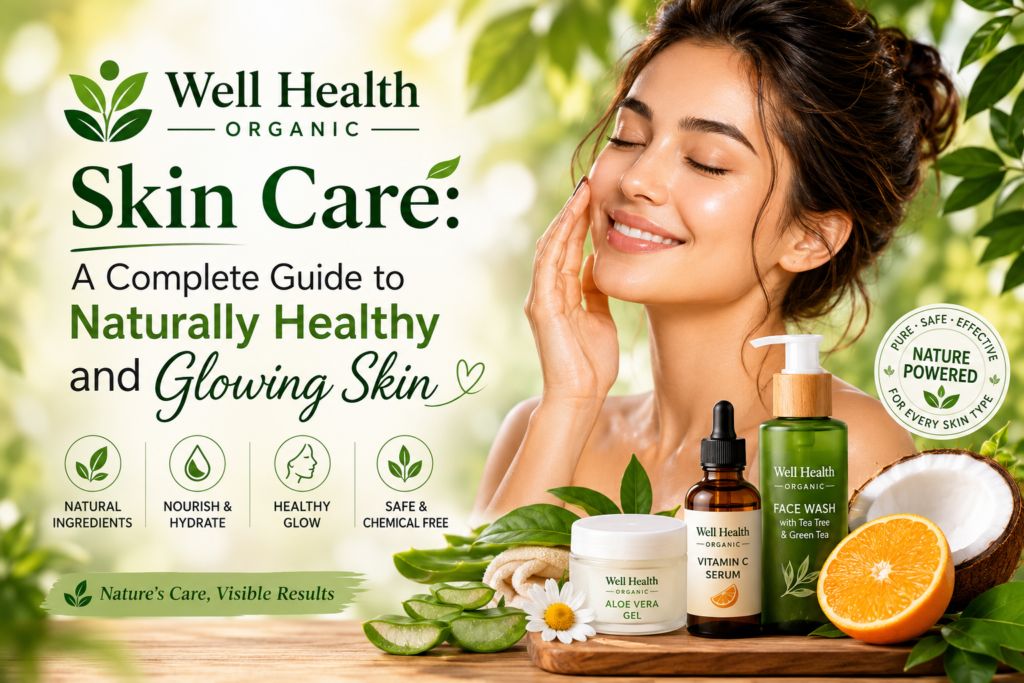
Well Health Organic Skin Care: A Complete Guide to Naturally Healthy and Glowing Skin
Healthy skin is more than a beauty goal it is an important part of overall wellness. As people become increasingly aware of what they put on their bodies, interest in natural and organic skincare has grown significantly. The concept of well health organic skin care revolves around nourishing the skin with natural ingredients while adopting healthy lifestyle habits that support long-term skin health.
While no skincare routine can guarantee perfect skin, choosing gentle products and following healthy habits can help improve your skin’s appearance and maintain its natural balance.
In this guide, naturaplug.com, you’ll learn:
- What Well Health Organic Skin Care means and why it is becoming increasingly popular.
- The benefits of using natural and organic skincare products.
- How to identify your skin type and choose the right ingredients.
- The best organic ingredients for healthy and glowing skin.
- A simple daily skincare routine for maintaining skin health.
- Foods and lifestyle habits that support naturally beautiful skin.
- Common skincare mistakes to avoid.
- Whether organic skincare can help with acne and sensitive skin.
- Frequently asked questions about organic skin care.
What Is Well Health Organic Skin Care?
Well Health Organic Skin Care refers to a holistic approach that emphasizes natural ingredients, healthy daily practices, and minimal exposure to harsh chemicals. Rather than relying heavily on artificial additives, organic skincare products often contain ingredients derived from plants, herbs, fruits, and natural oils.
This approach focuses on:
- Supporting the skin’s natural barrier.
- Maintaining hydration.
- Protecting against environmental stressors.
- Promoting healthy and radiant skin.
- Reducing unnecessary exposure to harsh ingredients.
Organic skincare does not mean avoiding science-based products. Instead, it encourages thoughtful choices and a balanced skincare routine.
Why More People Are Choosing Organic Skin Care
Modern lifestyles expose the skin to pollution, UV rays, stress, and changing weather conditions. Many individuals are turning to organic skincare because they prefer products with naturally derived ingredients and simpler formulations.
Some potential advantages include:
Gentle on Sensitive Skin
Natural ingredients such as aloe vera and chamomile are commonly used for their soothing properties and may be suitable for people with sensitive skin.
Rich in Antioxidants
Many plant-based ingredients contain antioxidants that help protect the skin from environmental damage caused by free radicals.
Fewer Harsh Chemicals
Organic products often avoid certain synthetic fragrances and unnecessary additives that can cause irritation in some individuals.
Environmentally Friendly
Many organic brands prioritize sustainable farming practices and eco-friendly packaging.
Understanding Different Skin Types
Before selecting skincare products, it is important to understand your skin type. Using products that match your skin’s needs can help achieve better results.
Dry Skin
Dry skin may feel rough or tight and sometimes appears flaky. Hydrating ingredients such as shea butter, aloe vera, and jojoba oil can help retain moisture.
Oily Skin
People with oily skin often experience excess shine and clogged pores. Lightweight ingredients like green tea extract and tea tree oil are commonly used to help manage oil production.
Combination Skin
Combination skin includes both dry and oily areas. A balanced skincare routine with gentle cleansers and non-greasy moisturizers usually works best.
Sensitive Skin
Sensitive skin is more prone to irritation and redness. Products containing oatmeal, calendula, or chamomile are often preferred because of their calming properties.
Best Natural Ingredients for Healthy Skin
Aloe Vera
Aloe vera is one of the most popular ingredients in natural skincare. It helps soothe irritation and provides hydration without feeling heavy on the skin.
Honey
Honey has natural moisturizing properties and contains antioxidants that may support overall skin health.
Coconut Oil
Coconut oil is known for its ability to moisturize dry skin. However, individuals with acne-prone skin should use it carefully, as it may clog pores for some people.
Turmeric
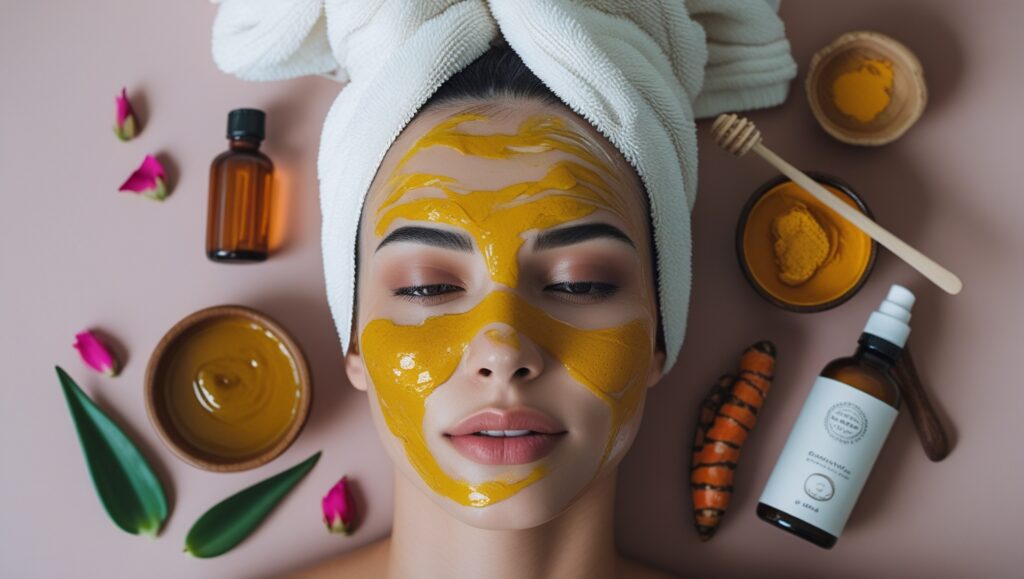
Turmeric contains curcumin, a compound recognized for its antioxidant properties. It is commonly used in traditional skincare practices.
Green Tea
Green tea extract contains antioxidants that help protect the skin from environmental stress and may contribute to a more youthful appearance.
Rose Water
Rose water is widely used as a natural toner because it provides a refreshing and soothing effect.
Jojoba Oil
Jojoba oil closely resembles the skin’s natural oils and helps maintain moisture without leaving a greasy residue.
A Simple Organic Skin Care Routine
Healthy skin does not require dozens of products. A simple and consistent routine is often more effective.
Step 1: Cleanse Gently
Choose a mild cleanser that removes dirt, oil, and impurities without stripping the skin of its natural moisture.
Step 2: Use a Natural Toner
Rose water and cucumber extracts are commonly used to refresh the skin and prepare it for moisturizing.
Step 3: Apply Moisturizer
Moisturizing helps strengthen the skin barrier and prevents excessive dryness.
Step 4: Wear Sunscreen Every Day
Daily sunscreen use is one of the most effective ways to protect the skin from premature aging and sun damage.
Step 5: Exfoliate Occasionally
Exfoliating once or twice a week helps remove dead skin cells and improve skin texture. Excessive exfoliation, however, can cause irritation.
Foods That Promote Healthy Skin
Skin health is influenced by what you eat. A nutrient-rich diet provides vitamins and minerals that support healthy skin.
Fruits and Vegetables
Colorful fruits and vegetables contain antioxidants and vitamins that help protect the skin.
Omega-3 Fatty Acids
Fatty fish, flaxseeds, and walnuts provide omega-3 fatty acids, which play a role in maintaining healthy skin.
Nuts and Seeds
These foods supply vitamin E, an important antioxidant that helps protect skin cells.
Whole Grains
Whole grains provide essential nutrients and support overall health.
Water
Proper hydration helps maintain skin elasticity and supports the body’s natural functions.
Lifestyle Habits for Naturally Glowing Skin
Healthy skin is influenced by everyday habits.
Get Enough Sleep
Sleep allows the body to repair itself and supports skin renewal.
Stay Physically Active
Regular exercise improves blood circulation, which helps deliver oxygen and nutrients to the skin.
Manage Stress
Stress can contribute to breakouts and other skin concerns. Activities such as yoga, meditation, and walking may help promote overall well-being.
Avoid Smoking
Smoking damages collagen and accelerates visible signs of aging.
Limit Excessive Sugar Intake
High sugar consumption may contribute to inflammation and affect skin appearance.
Common Skin Care Mistakes to Avoid
Many people unknowingly damage their skin through improper habits.
Some common mistakes include:
- Overwashing the face.
- Using products that are too harsh.
- Skipping sunscreen.
- Sleeping with makeup on.
- Trying too many products at once.
- Ignoring hydration.
Consistency and patience are usually more important than using expensive products.
Can Organic Skin Care Help With Acne?
Organic skincare may support acne-prone skin when products are chosen carefully. Ingredients such as tea tree oil, aloe vera, and green tea are commonly included in products designed for oily or blemish-prone skin.
However, acne is influenced by several factors, including hormones, genetics, and lifestyle. People with persistent or severe acne should seek advice from a dermatologist.
Is Organic Skin Care Better Than Conventional Products?
Neither organic nor conventional skincare is automatically better. Effectiveness depends on the product formulation, individual skin type, and how consistently products are used.
Some people prefer organic skincare because of its naturally derived ingredients, while others benefit from dermatologist-recommended products containing scientifically studied ingredients.
The best skincare routine is one that is safe, effective, and suitable for your individual needs.
Final Thoughts
Well Health Organic Skin Care is about more than just applying creams and serums. It represents a balanced approach to healthy skin through natural ingredients, healthy eating, proper hydration, and good lifestyle habits.
Glowing skin is usually the result of consistent care rather than quick fixes. By understanding your skin type, choosing suitable products, and maintaining healthy habits, you can support naturally healthy and radiant skin for years to come.
Frequently Asked Questions
What is Well Health Organic Skin Care?
Well Health Organic Skin Care is an approach that emphasizes natural ingredients and healthy habits to support long-term skin health and maintain a radiant complexion.
Which natural ingredients are best for healthy skin?
Popular ingredients include aloe vera, honey, green tea, rose water, jojoba oil, and turmeric.
Can organic skincare help sensitive skin?
Many organic products contain soothing ingredients that may be suitable for sensitive skin, but individuals should always check product labels and perform a patch test before use.
Is sunscreen necessary if I use organic skincare?
Yes. Sunscreen remains one of the most important steps in protecting the skin from UV damage and premature aging.
How long does it take to see results from a skincare routine?
Results vary depending on skin type and concerns, but consistent skincare habits often require several weeks before noticeable improvements become visible.











Discussion about this post