







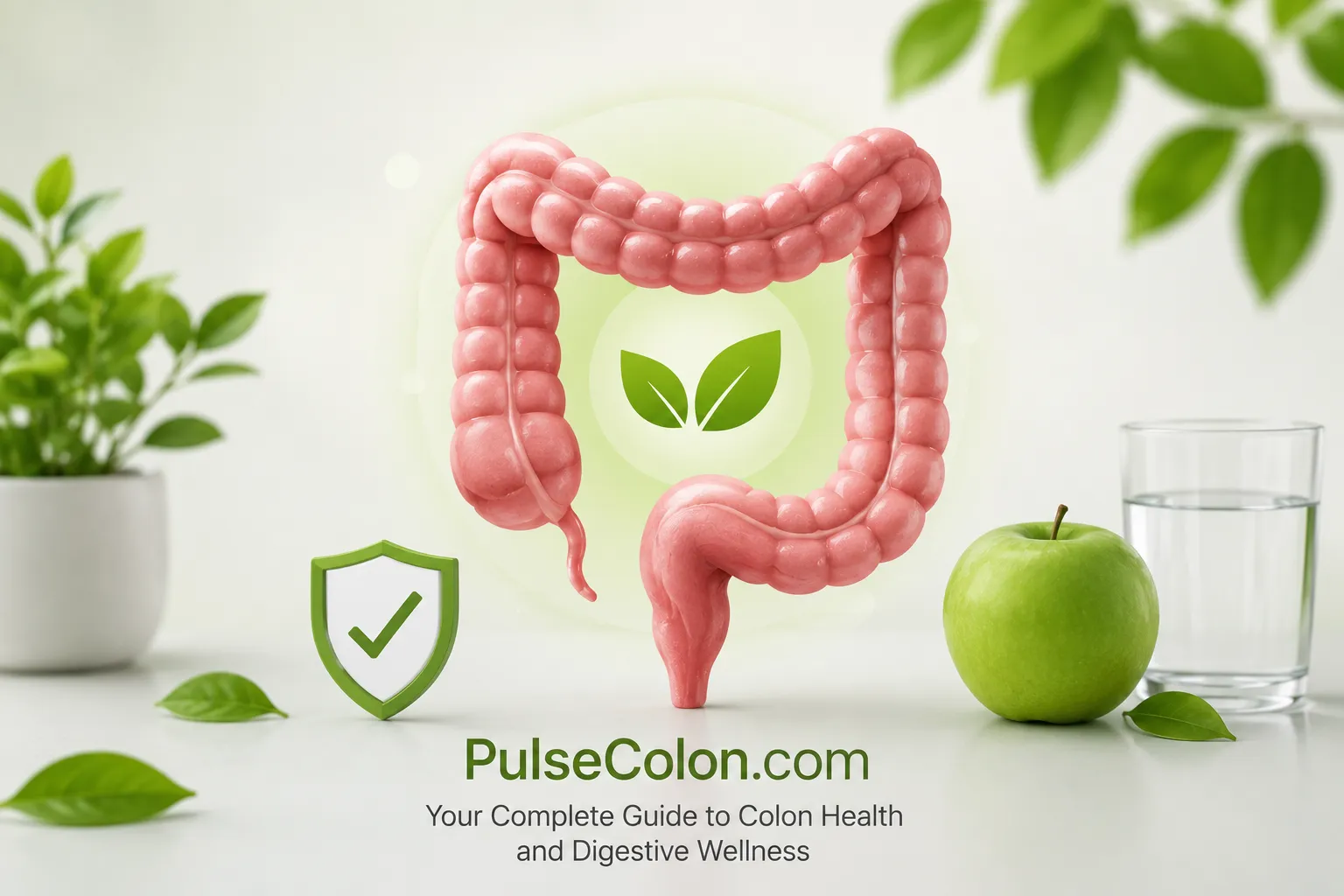
Good health starts in the gut. While many people focus on fitness, weight management, or heart health, colon health often receives attention only when symptoms appear. Yet the PulseColon.com plays a critical role in digestion, nutrient absorption, immune function, and overall well-being. Understanding how to care for your digestive system can help prevent health complications and improve your quality of life for years to come.
At PulseColon.com, our mission is to make colon health information accessible, practical, and easy to understand. We provide educational content, wellness tips, and evidence-based insights to help readers make informed decisions about their digestive health and preventive care.
Whether you are looking for information about healthy eating, digestive symptoms, screening recommendations, or lifestyle habits that support gut health, PulseColon.com serves as a trusted resource for individuals and families seeking reliable health guidance.
Understanding the Importance of Colon Health
The colon, also known as the large intestine, is an essential part of the digestive system. Its primary function is to absorb water and electrolytes from digested food while processing and eliminating waste from the body. A healthy colon supports efficient digestion and contributes to overall physical wellness.
However, poor dietary habits, lack of exercise, chronic stress, dehydration, and aging can negatively affect colon function over time. Many digestive issues develop gradually, which makes prevention and early detection especially important.
Common colon-related conditions include:
- Constipation
- Diarrhea
- Irritable Bowel Syndrome (IBS)
- Inflammatory Bowel Disease (IBD)
- Diverticulitis
- Colon polyps
- Colorectal cancer
Learning about these conditions and understanding potential warning signs can help individuals seek medical advice before problems become more serious.
The Growing Importance of Preventive Healthcare
Modern healthcare is increasingly focused on prevention rather than treatment alone. Preventive care allows people to identify potential health concerns before symptoms become severe, often leading to better outcomes and lower healthcare costs.
Colon health is one of the areas where preventive screening has proven especially effective. Routine screenings can detect abnormalities early, including precancerous polyps that can be removed before they develop into cancer.
Healthcare professionals commonly recommend colon cancer screening beginning at age 45 for average-risk adults, although individuals with family history or other risk factors may require earlier screening.
At PulseColon.com, we emphasize the importance of understanding your personal risk factors and discussing screening options with qualified healthcare providers.
Nutrition and Colon Health
Diet plays one of the most significant roles in digestive wellness. The foods we consume directly influence gut bacteria, digestion efficiency, bowel regularity, and inflammation levels throughout the body.
A colon-friendly diet typically includes:
High-Fiber Foods
Fiber helps promote regular bowel movements and supports beneficial gut bacteria. Excellent sources of dietary fiber include:
- Whole grains
- Oats
- Brown rice
- Beans and legumes
- Apples
- Berries
- Pears
- Broccoli
- Carrots
- Leafy green vegetables
Many adults consume less fiber than recommended, making gradual dietary improvements beneficial for digestive health.
Proper Hydration
Water is essential for healthy digestion. Inadequate hydration can contribute to constipation and digestive discomfort. Most adults benefit from maintaining consistent fluid intake throughout the day, although individual needs vary depending on activity levels and climate.
Healthy Fats
Healthy fats support nutrient absorption and overall wellness. Sources include:
- Avocados
- Nuts
- Seeds
- Olive oil
- Fatty fish
These foods can be incorporated into balanced meals that support both digestive and cardiovascular health.
Limiting Highly Processed Foods
Diets high in processed foods, excessive sugar, and unhealthy fats may negatively affect gut bacteria and digestive function. Reducing consumption of heavily processed products while increasing whole-food intake can support long-term colon health.
The Connection Between Gut Health and Overall Wellness
Scientific research continues to highlight the relationship between the digestive system and overall health. The gut microbiome, which consists of trillions of microorganisms living within the digestive tract, plays an important role in multiple bodily functions.
Emerging research suggests that gut health may influence:
- Immune system function
- Metabolism
- Mood regulation
- Energy levels
- Inflammation response
- Nutrient absorption
Maintaining a diverse and balanced gut microbiome through healthy eating habits and lifestyle choices may contribute to improved overall wellness.
Common Digestive Symptoms You Should Not Ignore
Occasional digestive discomfort is common and often harmless. However, persistent symptoms may warrant medical evaluation.
Symptoms that deserve attention include:
- Ongoing abdominal pain
- Persistent constipation
- Chronic diarrhea
- Blood in the stool
- Unexplained weight loss
- Changes in bowel habits
- Frequent bloating
- Fatigue associated with digestive symptoms
These symptoms do not necessarily indicate a serious condition, but discussing them with a healthcare professional can help determine whether further evaluation is necessary.
Understanding Colon Cancer Awareness
Colorectal cancer remains one of the most common cancers worldwide, but it is also among the most preventable and treatable when detected early.
Risk factors may include:
- Increasing age
- Family history of colorectal cancer
- Smoking
- Excessive alcohol consumption
- Obesity
- Physical inactivity
- Diets high in processed meats
The encouraging news is that regular screening significantly improves early detection rates and treatment outcomes.
Awareness campaigns around the world continue to encourage individuals to understand their risk factors and participate in recommended screening programs.
Lifestyle Habits That Support Digestive Health
Good digestive health extends beyond nutrition alone. Several lifestyle factors can influence colon function and overall wellness.
Regular Physical Activity
Exercise helps stimulate intestinal movement and supports healthy digestion. Activities such as walking, cycling, swimming, and strength training can contribute to improved bowel regularity and overall health.
Stress Management
Chronic stress can affect digestion and contribute to symptoms such as bloating, abdominal discomfort, and changes in bowel habits.
Stress management strategies may include:
- Meditation
- Deep breathing exercises
- Yoga
- Regular exercise
- Adequate sleep
- Spending time outdoors
Healthy Sleep Habits
Sleep and digestion are closely connected. Poor sleep quality may influence hormone regulation, appetite, and gut health. Most adults benefit from maintaining consistent sleep schedules and prioritizing sufficient rest.
Avoiding Tobacco Use
Smoking has been associated with numerous health risks, including certain digestive disorders and increased cancer risk. Avoiding tobacco products supports overall health and disease prevention.
Reliable Health Information Matters
One of the biggest challenges facing health consumers today is misinformation. The internet provides access to an enormous amount of medical content, but not all information is accurate or evidence-based.
At PulseColon.com, we recognize the importance of trustworthy educational resources. Our goal is to simplify complex health topics and present information in a way that empowers readers without creating confusion or unnecessary fear.
Health decisions should always be made in consultation with qualified healthcare professionals, but access to reliable information helps individuals ask better questions and become active participants in their care.
Who Can Benefit from PulseColon.com?
Our content is designed for a wide audience, including:
- Adults interested in preventive healthcare
- Individuals experiencing digestive symptoms
- Families seeking health education resources
- Caregivers supporting loved ones
- Readers interested in nutrition and wellness
- Individuals preparing for colon health screenings
Whether you are just beginning your wellness journey or looking to expand your understanding of digestive health, our resources are designed to support informed decision-making.
Topics You Can Explore on PulseColon.com
Our blog regularly publishes articles covering important health topics such as:
- Colon health education
- Digestive wellness strategies
- Healthy eating plans
- Fiber-rich nutrition guides
- Colonoscopy preparation information
- Gut microbiome research
- Lifestyle medicine approaches
- Preventive screening recommendations
- Digestive symptom awareness
- Healthy aging strategies
Our objective is to provide practical information that readers can apply to their everyday lives.
Building Long-Term Healthy Habits
Improving digestive health rarely requires dramatic changes overnight. Small, consistent improvements often produce the most sustainable results.
Examples include:
- Adding more vegetables to daily meals
- Increasing water intake
- Walking after meals
- Reducing highly processed foods
- Prioritizing sleep
- Scheduling preventive checkups
These simple habits can contribute to long-term wellness and may help reduce the risk of future digestive complications.
The Future of Digestive Health Education
Advances in medical research continue to improve our understanding of colon health, gut bacteria, nutrition, and preventive medicine. As new discoveries emerge, access to accurate educational resources becomes increasingly important.
The future of healthcare is likely to place even greater emphasis on prevention, personalized nutrition, and early intervention strategies.
By staying informed and proactive, individuals can play an active role in protecting their health and improving long-term outcomes.
Why Choose PulseColon.com?
At PulseColon.com, we believe that education is one of the most powerful tools for improving public health. Our commitment is to provide readers with reliable, practical, and accessible information that supports healthier lifestyles and informed healthcare decisions.
We strive to create content that is:
- Easy to understand
- Based on credible sources
- Focused on prevention
- Relevant to everyday health concerns
- Helpful for readers of all backgrounds
Our goal is not only to share information but also to encourage conversations about digestive health that many people hesitate to have.
Final Thoughts
Colon health is an essential part of overall wellness, and caring for your digestive system should be a lifelong priority. Through balanced nutrition, regular physical activity, preventive screenings, and informed healthcare decisions, individuals can take meaningful steps toward protecting their long-term health.
PulseColon.com is dedicated to supporting that journey by providing educational resources and practical guidance for better digestive wellness. Whether you are researching symptoms, exploring nutrition strategies, or learning about preventive care, our platform aims to serve as a trusted partner in your pursuit of a healthier future.
Stay informed, stay proactive, and make digestive health an important part of your overall wellness strategy.
Looking for trusted natural health advice and wellness inspiration? We’ve got you covered. Read more at NaturaPlug.com for the latest tips on organic living, nutrition, and overall well-being.
Frequently Asked Questions (FAQs)
1. What is PulseColon.com?
PulseColon.com is an online health resource that provides reliable information on colon health, digestive wellness, nutrition, preventive care, and healthy lifestyle habits.
2. Why is colon health important?
The colon plays a key role in digestion, water absorption, and waste removal. Maintaining good colon health supports proper digestion and overall well-being.
3. What are the common signs of colon health problems?
Common symptoms may include persistent constipation, diarrhea, abdominal pain, bloating, blood in the stool, or changes in bowel habits. Persistent symptoms should be evaluated by a healthcare professional.
4. How can I improve my colon health naturally?
Eating a fiber-rich diet, staying hydrated, exercising regularly, managing stress, and getting enough sleep can all support healthy digestion and colon function.
5. What foods are good for colon health?
Foods rich in fiber such as fruits, vegetables, whole grains, legumes, nuts, and seeds are beneficial for maintaining a healthy digestive system.
6. When should adults start colon cancer screening?
Most healthcare organizations recommend that average-risk adults begin colorectal cancer screening at age 45. Individuals with higher risk factors may need earlier screening.
7. Can lifestyle choices affect digestive health?
Yes. Diet, physical activity, hydration, sleep quality, smoking, and stress levels can significantly influence digestive and colon health.
8. What is the connection between gut health and overall wellness?
The digestive system and gut microbiome play important roles in immunity, nutrient absorption, metabolism, and overall health.
9. Does PulseColon.com provide medical advice?
No. The content on PulseColon.com is intended for educational purposes only and should not replace professional medical advice, diagnosis, or treatment.
10. Where can I learn more about digestive wellness and colon health?
Visit PulseColon.com to explore expert-backed articles, wellness tips, and educational resources focused on digestive health and preventive care.











Discussion about this post