
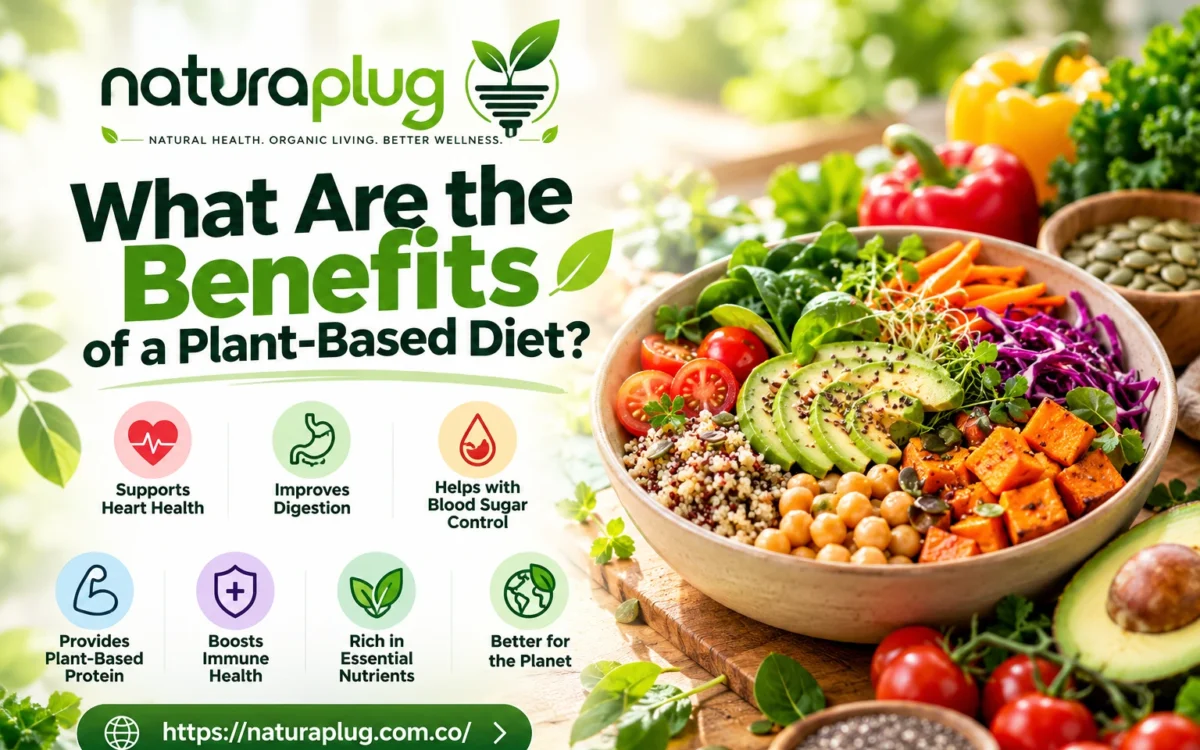

A plant-based diet places vegetables, fruits, beans, lentils, whole grains, nuts, seeds, and other plant foods at the center of meals. Research suggests that a healthy plant-rich eating pattern may support heart health, digestive health, blood sugar control, and overall diet quality. The benefits depend heavily on the foods chosen, since a diet built mainly around minimally processed plant foods is very different from one based on highly processed packaged foods.
Plant-based eating also does not always mean becoming vegan. Some people eat mostly plant foods while still having eggs, dairy, fish, or meat occasionally. The main goal is to increase the role of nutritious plant foods in the overall eating pattern.
At a Glance
- Plant-based diets can provide plenty of fiber, vitamins, minerals, and beneficial plant compounds.
- Eating more plant foods may support cardiovascular health.
- Fiber-rich foods can support regular digestion and bowel health.
- Healthy plant-based eating patterns may help with blood sugar management.
- Beans, lentils, tofu, nuts, seeds, and other foods can provide protein.
- Replacing foods high in saturated fat with unsaturated plant sources may benefit heart health.
- A plant-based diet is not automatically healthy; highly processed foods can still contain excess sodium, added sugar, or saturated fat.
- People following a fully vegan diet need reliable sources of nutrients such as vitamin B12.
What Is a Plant-Based Diet?
A plant-based diet is an eating pattern that gives greater importance to foods that come from plants. Common foods include vegetables, fruits, legumes, whole grains, nuts, seeds, mushrooms, potatoes, and soy foods such as tofu and tempeh.
The term can describe several eating patterns. A vegan diet excludes animal-derived foods, while a vegetarian diet usually excludes meat and fish but may include eggs or dairy. A plant-forward diet can be more flexible and may include animal foods in smaller amounts.
This flexibility means there is no single menu that every plant-based eater needs to follow. A person might have oatmeal with fruit for breakfast, lentil curry with vegetables and rice for lunch, and tofu with whole grains and vegetables for dinner.
The American Heart Association emphasizes overall dietary patterns rather than focusing on one food or nutrient. Its current guidance favors vegetables and fruits, whole grains, healthy protein sources, unsaturated fats, and minimally processed foods.
1. May Support Heart Health
Heart health is one of the most studied potential benefits of a healthy plant-rich eating pattern. Vegetables, fruits, legumes, whole grains, nuts, and seeds can provide fiber and unsaturated fats while helping reduce reliance on foods high in saturated fat.
A 2026 systematic review and meta-analysis of prospective cohort studies involving more than 846,000 people found that greater adherence to an overall plant-based diet was associated with a lower risk of cardiovascular disease. The association was stronger for healthy plant-based diets, while less healthy plant-based patterns showed less favorable results.
This distinction matters. A meal based on lentils, vegetables, brown rice, and nuts has a very different nutritional profile from a meal dominated by refined grains, sugary drinks, and highly processed snack foods.
Plant foods can also contribute potassium, magnesium, fiber, and other nutrients that fit well within heart-supportive eating patterns. Recent cardiovascular guidance continues to emphasize whole or minimally processed foods, fiber-rich foods, whole grains, healthy fats, and lower sodium intake.
2. Provides More Dietary Fiber
Fiber is naturally found in plant foods and plays several roles in digestive health.
Beans, lentils, chickpeas, vegetables, fruits, oats, barley, nuts, and seeds can all contribute fiber. A varied plant-rich diet can therefore make it easier to increase fiber intake without relying on specialized products.
Fiber can help support regular bowel movements and digestive function. Some types of fiber are also fermented by gut bacteria, producing compounds that may support the intestinal environment.
For someone moving from a low-fiber eating pattern to a plant-rich diet, a gradual increase can be more comfortable. Drinking enough fluids and introducing beans, lentils, whole grains, fruits, and vegetables progressively may help the digestive system adjust.
3. May Help Support Healthy Blood Sugar Levels
The type and quality of carbohydrates matter more than simply avoiding carbohydrates.
Beans, lentils, whole grains, vegetables, and whole fruits provide carbohydrates along with fiber and other nutrients. Fiber can slow digestion and help meals have a more gradual effect on blood glucose compared with many refined carbohydrate foods.
Plant-rich dietary patterns are also associated with favorable blood sugar measures in cardiovascular nutrition guidance. Healthy eating patterns that emphasize minimally processed plant foods are commonly recommended alongside other lifestyle measures for cardiometabolic health.
However, a plant-based label does not automatically make a food appropriate for blood sugar management. Sweetened beverages, desserts, refined snacks, and highly processed foods can still be plant-based.
People with diabetes or another medical condition affecting blood sugar should follow advice from their healthcare professional rather than changing medication or treatment based on diet articles.
4. Can Increase Intake of Vitamins and Minerals
A varied plant-based eating pattern can provide many essential nutrients.
Examples include:
| Nutrient | Plant-based food sources |
|---|---|
| Vitamin C | Citrus fruits, peppers, broccoli, berries |
| Folate | Lentils, beans, leafy greens, asparagus |
| Vitamin K | Leafy green vegetables, broccoli |
| Magnesium | Nuts, seeds, whole grains, legumes |
| Potassium | Potatoes, beans, bananas, vegetables |
| Iron | Lentils, beans, tofu, fortified cereals, seeds |
| Zinc | Beans, seeds, nuts, whole grains |
| Calcium | Fortified plant drinks, calcium-set tofu, some leafy greens |
The exact nutrient content varies by food and preparation method, so variety remains useful.
People following a vegan diet need extra attention to certain nutrients. The NHS identifies vitamin B12, vitamin D, iodine, selenium, calcium, and iron as nutrients that can require careful planning in vegan diets.
5. May Support Healthy Cholesterol Levels
Some plant foods can contribute nutrients associated with healthier blood lipid profiles.
Oats, barley, beans, lentils, nuts, seeds, fruits, and vegetables provide different types of fiber and other compounds that can fit into a heart-supportive eating pattern.
Recent research has found particularly consistent reductions in LDL cholesterol with foods such as oat beta-glucan, cereal bran, legumes, and nuts compared with certain comparison foods. However, researchers also point out that evidence varies between different plant food groups and study types.
The practical takeaway is simple: replacing some foods high in saturated fat with foods such as beans, whole grains, nuts, seeds, and vegetables can improve the overall nutritional profile of meals.
6. Supports a Diverse Diet
Plant-based eating can encourage greater variety because many different plant foods can be used in everyday meals.
For example, one week might include:
- Chickpeas
- Lentils
- Kidney beans
- Tofu
- Peas
- Oats
- Brown rice
- Millets
- Potatoes
- Spinach
- Broccoli
- Carrots
- Tomatoes
- Apples
- Bananas
- Berries
- Walnuts
- Chia seeds
This variety provides different types of fiber, vitamins, minerals, fats, carbohydrates, and plant compounds.
A varied diet can also make meals more interesting without requiring complicated recipes.
7. Can Provide Plenty of Plant-Based Protein
Protein is available from many plant foods.
Good options include:
- Lentils
- Chickpeas
- Kidney beans
- Black beans
- Peas
- Tofu
- Tempeh
- Soy foods
- Nuts
- Seeds
- Whole grains
Combining different protein sources throughout the day can provide a broad range of amino acids. A person does not need to create a special protein combination at every meal.
For example, lentil dal with rice, tofu with vegetables, or chickpeas with whole-grain bread can all contribute meaningful amounts of protein.
For teenagers, protein and overall energy needs are connected to growth and development. A teenager considering a vegetarian or vegan eating pattern should involve a parent or guardian and a pediatrician or registered dietitian to make sure meals provide adequate nutrition.
8. May Help Improve Overall Diet Quality
One of the biggest benefits may come from what plant-based eating adds to the diet rather than what it removes.
Replacing a highly processed snack with fruit and nuts, for example, adds fiber and several nutrients. Replacing some processed meat with beans or lentils can also change the amount of saturated fat, sodium, and fiber in a meal.
The American Heart Association recommends dietary patterns that include plenty of vegetables and fruits, whole grains, healthy protein sources, unsaturated fats, and minimally processed foods while limiting excess sodium, added sugars, and highly processed foods.
This is why the phrase healthy plant-based diet is useful. The nutritional quality of the foods still matters.
9. May Support Digestive Health
A higher intake of vegetables, fruits, legumes, whole grains, nuts, and seeds can increase dietary fiber.
Fiber adds bulk to stool and can help support regular bowel movements. Some types of fiber also serve as food for beneficial gut microorganisms.
People who currently eat very little fiber may notice temporary digestive changes after suddenly increasing their intake. Gradually adding beans, lentils, whole grains, fruits, and vegetables can make the transition easier.
A plant-based diet should also include enough fluids, since adequate hydration works alongside dietary fiber to support normal digestion.
10. Can Help Build Heart-Friendly Eating Habits
A plant-based eating pattern can make certain heart-supportive habits easier to practice.
For example, meals can be built around:
Vegetables + legumes + whole grains + healthy fats
A simple dinner could include roasted vegetables, lentils, brown rice, and a small amount of nuts or seeds.
Another option could be a whole-grain wrap filled with hummus, chickpeas, vegetables, and avocado.
These meals can provide fiber and plant-based protein while keeping highly processed ingredients from becoming the main part of the meal.
Is a Plant-Based Diet Always Healthy?
No. The term describes where foods come from, not automatically how nutritious they are.
Some packaged foods can be plant-based while containing substantial amounts of sodium, added sugar, refined starch, or saturated fat. Examples include certain sweetened drinks, desserts, chips, cookies, and highly processed meat substitutes.
A healthier pattern generally emphasizes:
- Vegetables and fruits
- Beans and lentils
- Whole grains
- Nuts and seeds
- Soy foods
- Minimally processed foods
- Healthy unsaturated fats
The American Heart Association specifically recommends choosing minimally processed foods and limiting foods high in added sugars, sodium, and unhealthy fats.
Plant-Based Diet vs Vegan Diet
These terms are sometimes used interchangeably, but they can describe different eating patterns.
| Plant-based diet | Vegan diet |
|---|---|
| Usually emphasizes plant foods | Excludes animal-derived foods |
| May include eggs or dairy | Excludes eggs and dairy |
| May include fish or meat | Excludes meat and fish |
| Can be flexible | Usually more restrictive |
| Nutrient needs depend on food choices | Requires careful planning for several nutrients |
A person does not need to follow a fully vegan diet to increase plant food intake.
Potential Drawbacks and Nutritional Considerations
A plant-based diet can be nutritious, but planning becomes more important as animal foods are reduced or removed.
Vitamin B12
Vitamin B12 is a major consideration for people following a vegan diet. Reliable sources include fortified foods and, when appropriate, supplements. The NHS states that vegan diets need a dependable B12 source because natural plant foods do not provide a reliable amount.
Iron
Beans, lentils, tofu, seeds, leafy greens, and fortified cereals can provide iron. Plant-derived iron is absorbed less efficiently than iron from some animal foods, so including vitamin C-rich foods alongside plant sources can help absorption.
Calcium and Vitamin D
Fortified plant drinks, calcium-set tofu, some vegetables, and other fortified foods can contribute calcium. Vitamin D may require attention as well, depending on diet, location, sun exposure, and individual circumstances.
Iodine
Iodine supports normal thyroid hormone production. People following a strict vegan diet may have fewer reliable dietary sources, making fortified foods particularly relevant. Anyone considering an iodine supplement should discuss it with a healthcare professional because excessive iodine can also cause problems.
Omega-3 Fats
Chia seeds, ground flaxseed, walnuts, and hemp seeds provide the plant omega-3 fat ALA. These foods can easily be added to oatmeal, salads, yogurt alternatives, or other meals.
How to Add More Plant Foods to Everyday Meals
A person does not have to change every meal at once.
Simple swaps can include:
- Adding lentils to soups and curries
- Using chickpeas in salads and wraps
- Adding vegetables to pasta, rice, or noodles
- Replacing some meat in a meal with beans or tofu
- Choosing oats with fruit and seeds for breakfast
- Adding nuts or seeds to salads
- Using whole grains more often
- Keeping frozen vegetables available for quick meals
The goal is to build meals that remain satisfying and nutritionally varied.
Common Mistakes to Avoid
Focusing Only on Removing Meat
Removing meat without adding other protein-rich foods can leave meals nutritionally incomplete. Beans, lentils, tofu, tempeh, peas, nuts, seeds, and other protein foods can help fill that role.
Eating Mostly Refined Carbohydrates
Bread, pasta, rice, and other grains can fit into a plant-based diet, but relying heavily on refined versions can reduce dietary variety. Whole grains, legumes, vegetables, and fruit add more fiber and nutrients.
Treating Plant-Based Packaged Foods as Automatically Healthy
A plant-based label does not guarantee low sodium, low added sugar, or low saturated fat. Nutrition labels still matter.
Forgetting B12 on a Vegan Diet
Someone who removes animal foods completely needs a dependable B12 source. This is one of the nutrients that deserves particular attention.
Making Major Changes Too Quickly
A sudden large increase in fiber can cause digestive discomfort for some people. Gradual changes can make the transition easier.
Frequently Asked Questions
What are the benefits of a plant-based diet?
Potential benefits include higher fiber intake, greater consumption of vegetables and fruits, improved overall diet quality, and support for cardiovascular health and healthy blood sugar levels. The strongest benefits are associated with healthy plant-based patterns built around minimally processed foods.
Can a plant-based diet provide enough protein?
Yes. Beans, lentils, tofu, tempeh, peas, nuts, seeds, soy foods, and whole grains can all contribute protein.
Is a plant-based diet good for the heart?
A healthy plant-rich eating pattern is associated with better cardiovascular outcomes in many studies. Recent evidence suggests that healthy plant-based patterns have more favorable associations than plant-based patterns dominated by less nutritious foods.
Does a plant-based diet contain enough iron?
It can. Lentils, beans, tofu, seeds, leafy greens, and fortified foods provide iron. Since plant-derived iron is absorbed less efficiently, food variety and pairing iron-rich foods with vitamin C can be helpful.
Do plant-based diets provide vitamin B12?
Unfortified plant foods are not a reliable source of vitamin B12. People following a vegan diet should use reliable fortified foods or discuss an appropriate supplement with a healthcare professional.
Is a plant-based diet the same as veganism?
No. A plant-based diet can be flexible and may include some animal foods. Veganism excludes animal-derived foods.
Can teenagers follow a plant-based diet?
Teenagers can eat vegetarian or vegan diets, but nutrition planning deserves extra care because adolescence is a period of growth. A parent or guardian should involve a pediatrician or registered dietitian before a teenager makes major dietary changes.
Are plant-based meat alternatives healthy?
Some can fit into a balanced diet, but they vary widely in sodium, saturated fat, protein, fiber, and other nutrients. Checking the nutrition label is more useful than assuming a product is healthy simply because it is plant-based.
Final Takeaway
The benefits of a plant-based diet are closely tied to food quality. A pattern rich in vegetables, fruits, beans, lentils, whole grains, nuts, seeds, and other minimally processed foods can provide fiber and a wide range of vitamins, minerals, and other beneficial nutrients.
Research also suggests that healthy plant-based eating patterns are associated with favorable cardiovascular outcomes. At the same time, simply choosing foods labeled “plant-based” does not guarantee a nutritious diet. Highly processed foods can still contain large amounts of sodium, added sugar, saturated fat, or refined starch.
For people following a fully vegan diet, nutrients such as vitamin B12, iron, calcium, vitamin D, iodine, and omega-3 fats deserve attention. Teenagers, pregnant people, and anyone with a medical condition should get individualized guidance from an appropriate healthcare professional before making major dietary changes.
Disclaimer
This article is provided for general educational purposes and does not replace individualized medical or nutrition advice. Dietary needs vary according to age, growth, health status, activity level, and eating pattern. Anyone considering a major dietary change should consult a qualified healthcare professional or registered dietitian. NaturaPlug does not provide individualized medical advice.
1 Comment
Leave a Response




[…] immersion is often used after strenuous exercise. Cooling the body can affect blood flow and inflammatory responses, which may help reduce the perception of muscle soreness for some […]