Plant Based Diet for Beginners: A Simple Guide to Getting Started

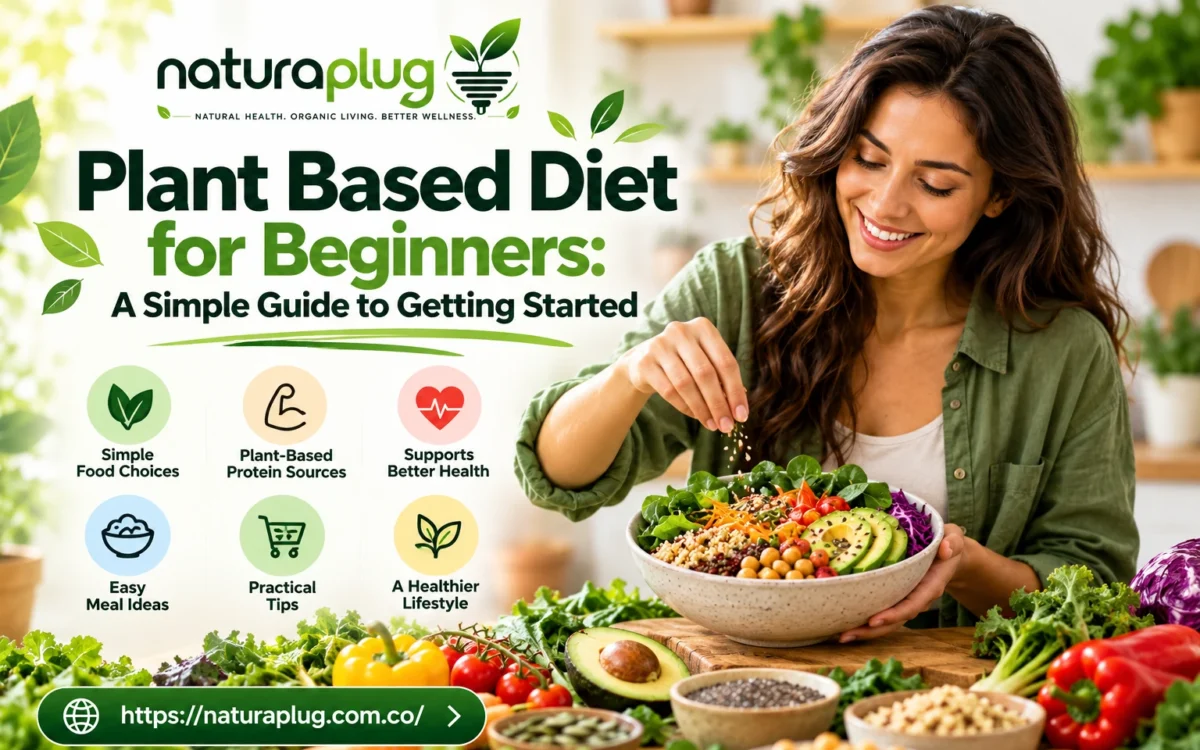
A plant based diet for beginners does not have to mean giving up every animal food overnight. The basic idea is to make plant foods the main part of meals, including vegetables, fruits, beans, lentils, whole grains, nuts, seeds, and soy foods. Some people follow a fully vegan diet, while others include eggs, dairy, fish, or small amounts of meat.
For beginners, the easiest approach is usually to focus on adding nutritious plant foods rather than creating a long list of foods to avoid. A varied plant-based eating pattern can provide protein, fiber, vitamins, minerals, healthy fats, and carbohydrates when meals are planned well.
At a Glance
- A plant-based diet puts plant foods at the center of meals.
- It can be fully vegan or include some animal foods.
- Beans, lentils, tofu, tempeh, nuts, seeds, and peas are useful protein sources.
- Whole grains, potatoes, fruits, and vegetables provide carbohydrates and important nutrients.
- People following a vegan diet need a reliable source of vitamin B12.
- Calcium, iron, iodine, vitamin D, zinc, selenium, and omega-3 fats also deserve attention.
- Beginners can start gradually instead of changing every meal at once.
- Highly processed plant-based foods can still be high in sodium, saturated fat, or added sugar, so food quality matters.
What Is a Plant Based Diet?
A plant-based diet is an eating pattern centered on foods that come from plants. These include vegetables, fruits, legumes, grains, nuts, seeds, mushrooms, and soy foods.
There is no single definition that applies to everyone. Someone may eat mostly plant foods while still having dairy, eggs, fish, or meat occasionally. A vegan diet is more restrictive because it excludes animal-derived foods such as meat, fish, eggs, and dairy.
For a beginner, the focus can stay on building balanced meals rather than following a strict label. For example, a meal containing brown rice, lentils, vegetables, tofu, and a small amount of healthy fat already fits a strongly plant-focused eating pattern.
What Foods Can Beginners Eat?
A good plant-based grocery list can be surprisingly simple. Most meals can be built from a few major food groups.
Vegetables and Fruits
Vegetables provide fiber, vitamins, minerals, and many protective plant compounds. A useful starting point is to include several colors throughout the day.
Examples include:
- Spinach and other leafy greens
- Broccoli
- Carrots
- Bell peppers
- Tomatoes
- Cauliflower
- Cabbage
- Peas
- Sweet potatoes
- Bananas
- Apples
- Oranges
- Berries
- Mangoes
Fresh produce is useful, but frozen and canned options can also fit a healthy eating pattern. Canned vegetables and beans with lower sodium are convenient choices.
Beans, Lentils, and Peas
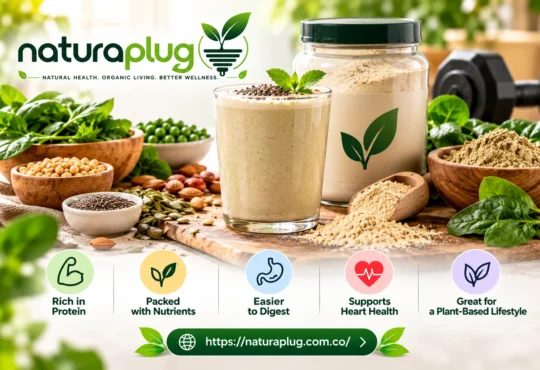
Legumes are among the most useful foods for people starting a plant-based eating pattern. They provide protein, carbohydrates, fiber, iron, and other nutrients.
Good options include:
- Chickpeas
- Kidney beans
- Black beans
- Green lentils
- Red lentils
- Black-eyed peas
- Soybeans
- Peas
They can be added to curries, soups, salads, rice dishes, wraps, pasta, and homemade burgers.
Whole Grains and Other Starchy Foods
Carbohydrates provide energy and can make meals more satisfying. Whole grains also provide fiber and several vitamins and minerals.
Good choices include:
- Oats
- Brown rice
- Quinoa
- Whole-wheat bread
- Whole-wheat pasta
- Barley
- Millets
- Corn
- Potatoes
- Sweet potatoes
A plant-based diet does not require avoiding carbohydrates. Whole grains and other minimally processed carbohydrate foods can be useful parts of balanced meals. Current dietary guidance also places emphasis on nutrient-dense foods, vegetables, fruits, whole grains, protein foods, and healthy fats.
How to Get Enough Protein on a Plant Based Diet
Protein is one of the first nutrients beginners often ask about. Fortunately, many plant foods contain protein.
Useful options include:
| Food | How it can be used |
|---|---|
| Lentils | Dal, soups, curries |
| Chickpeas | Hummus, salads, curries |
| Beans | Rice bowls, tacos, soups |
| Tofu | Stir-fries, curries, sandwiches |
| Tempeh | Bowls, wraps, stir-fries |
| Soy milk | Breakfast drinks, oats, smoothies |
| Peas | Rice, pasta, soups |
| Nuts | Snacks, oatmeal, salads |
| Seeds | Oatmeal, yogurt alternatives, salads |
| Peanut butter | Toast, oats, smoothies |
Plant proteins can be combined across meals to provide a broad range of amino acids. There is no need to create a complicated protein combination at every meal. Variety across the day is a practical approach.
For children and teenagers, nutrition needs are connected to growth and development. A vegetarian eating pattern can be healthy when it provides enough energy and nutrients, but a strict vegan eating pattern needs more careful planning. Parents or guardians should involve a pediatrician or registered dietitian if a young person is moving to a fully vegan diet.
Important Nutrients on a Plant Based Diet
A plant-based eating pattern can provide many nutrients, but some deserve extra attention.
Vitamin B12
Vitamin B12 is one of the biggest considerations for people following a vegan diet. Reliable vegan sources include foods fortified with B12, such as some plant-based drinks, breakfast cereals, and nutritional yeast. A healthcare professional can help determine whether a supplement is appropriate.
Iron
Plant foods such as lentils, chickpeas, beans, tofu, seeds, leafy greens, and fortified cereals can provide iron.
Iron from plants is absorbed differently from the form found in animal foods. Eating an iron-containing food with a vitamin C source can help improve absorption. For example, lentils can be paired with tomatoes, bell peppers, oranges, or broccoli.
Calcium
Calcium supports bones and teeth. Vegan sources can include calcium-fortified plant drinks, calcium-set tofu, some leafy vegetables, tahini, sesame seeds, and beans.
Checking the nutrition label on plant-based milk is useful because calcium levels and fortification vary between products.
Vitamin D
Vitamin D supports bone and muscle health. Some plant-based foods are fortified with vitamin D, including certain breakfast cereals and plant drinks.
Supplement needs vary by age, location, diet, and individual health factors, so a healthcare professional can provide appropriate advice.
Iodine
Iodine is needed to make thyroid hormones. People following a strict vegan diet can have fewer reliable dietary sources, so fortified foods may be useful. Plant-based drinks can contain iodine when manufacturers add it, but the amount varies.
Zinc and Selenium
Beans, lentils, tofu, nuts, seeds, whole grains, and fortified foods can contribute zinc and selenium.
Eating a varied diet makes it easier to cover these nutrients rather than relying heavily on one food.
Omega-3 Fats
Plant sources of alpha-linolenic acid, an omega-3 fat, include:
- Chia seeds
- Ground flaxseed
- Walnuts
- Hemp seeds
- Rapeseed or canola oil
These foods can be added to oatmeal, salads, smoothies, grain bowls, and other meals.
How to Start a Plant Based Diet as a Beginner
There is no requirement to change everything in one day. A gradual approach can make meals easier to manage.
Start With One Meal
A beginner might begin with one plant-focused meal each day.
For example:
Breakfast: Oatmeal with banana, berries, chia seeds, and fortified soy milk.
Lunch: Rice, lentils, mixed vegetables, and tofu.
Dinner: Whole-wheat pasta with tomato sauce, chickpeas, mushrooms, and vegetables.
Once these meals feel familiar, other meals can be adjusted.
Use a Simple Plate Formula
A practical meal can contain:
- A generous serving of vegetables
- A protein-rich plant food
- A carbohydrate source
- A source of healthy fat
For example, a bowl could include brown rice, chickpeas, roasted vegetables, avocado, and a simple dressing.
This approach makes meal planning easier without requiring complicated recipes.
Keep Convenient Foods Available
Beginners often struggle because they have changed their eating pattern without changing their grocery habits.
Useful foods to keep available include:
- Canned beans
- Lentils
- Frozen vegetables
- Oats
- Whole-grain bread
- Tofu
- Unsweetened fortified soy milk
- Fruit
- Nuts and seeds
- Peanut or other nut butter
Having simple ingredients available makes it easier to prepare a balanced meal instead of relying on snacks.
A Simple 7-Day Plant Based Meal Example
This is an example of how meals can be structured. It is not a medical diet plan and portions should vary according to age, appetite, activity, and individual needs.
| Day | Breakfast | Lunch | Dinner |
|---|---|---|---|
| Monday | Oats, banana, chia seeds | Chickpea salad wrap | Lentil dal, rice, vegetables |
| Tuesday | Fortified soy yogurt with fruit and seeds | Rajma rice with vegetables | Tofu stir-fry with noodles |
| Wednesday | Peanut butter toast and fruit | Lentil soup with whole-grain bread | Chickpea curry with rice |
| Thursday | Oatmeal with berries and walnuts | Tofu and vegetable bowl | Vegetable pasta with beans |
| Friday | Fortified plant milk smoothie with oats and fruit | Hummus and vegetable wrap | Lentil and vegetable curry |
| Saturday | Whole-grain toast, fruit, and nut butter | Chickpea rice bowl | Tofu, potatoes, and mixed vegetables |
| Sunday | Oats with fruit and seeds | Bean and vegetable salad | Vegetable and lentil stew with whole grains |
Is a Plant Based Diet Automatically Healthy?
No.
A diet can be plant-based and still contain large amounts of highly processed foods. Plant-based cookies, chips, sugary drinks, refined cereals, and some meat substitutes may contain significant amounts of sodium, saturated fat, or added sugar.
The quality of the overall eating pattern matters.
A stronger foundation comes from foods such as:
- Vegetables
- Fruits
- Beans
- Lentils
- Whole grains
- Nuts
- Seeds
- Tofu and other soy foods
- Fortified plant-based foods when needed
The current U.S. Dietary Guidelines emphasize nutrient-dense foods while recommending lower intake of highly processed foods, added sugars, excess sodium, and unhealthy fats.
Common Mistakes Beginners Make
Removing Animal Foods Without Adding Alternatives
Simply removing meat, eggs, or dairy without replacing their nutritional contribution can leave meals less satisfying and may reduce intake of protein or certain nutrients.
Beans, lentils, tofu, fortified plant drinks, nuts, seeds, and whole grains can help fill those gaps.
Eating Too Little Overall
Some beginners fill meals with vegetables and salads but forget energy-rich foods such as grains, potatoes, beans, nuts, seeds, or healthy oils.
A balanced meal needs enough food to support normal daily activities and growth.
Relying Too Much on Meat Alternatives
Plant-based burgers, nuggets, sausages, and similar products can be convenient. They do not have to be excluded, but they should not automatically replace every whole-food protein source.
Beans, lentils, tofu, peas, nuts, and seeds can form the regular foundation of meals.
Forgetting Vitamin B12
This is especially relevant for people following a vegan diet. Because natural plant foods generally do not provide a dependable B12 source, fortified foods or an appropriate supplement may be needed.
Assuming Every Plant Milk Is Nutritionally Similar
Plant-based drinks vary considerably. Some contain calcium, vitamin D, vitamin B12, and iodine, while others may contain little or none of these nutrients.
Reading the nutrition and fortification information on the package can help with product selection.
Plant Based Diet vs Vegan Diet
These terms are related but are not always identical.
| Plant-based diet | Vegan diet |
|---|---|
| Mainly emphasizes plant foods | Excludes animal-derived foods |
| May include dairy or eggs | Does not include dairy or eggs |
| May include fish or meat occasionally | Does not include meat or fish |
| Can be flexible | Usually more restrictive |
| Nutrient planning depends on food choices | Requires particular attention to B12 and several other nutrients |
Someone can follow a plant-based diet without becoming vegan. The right pattern depends on personal preferences, culture, budget, health needs, and food availability.
How to Make Plant Based Meals More Filling
A meal tends to be more satisfying when it contains several food groups.
For example, a vegetable-only salad may leave someone hungry soon afterward. Adding chickpeas or tofu, whole grains, avocado or seeds, and a dressing creates a more substantial meal.
Useful combinations include:
- Rice + dal + vegetables
- Whole-grain bread + hummus + vegetables
- Oats + fortified soy milk + fruit + seeds
- Potatoes + beans + vegetables
- Whole-grain pasta + lentils + tomato sauce
- Tofu + rice + mixed vegetables
This style of meal planning also makes it easier to include a broader range of nutrients.
Is a Plant Based Diet Safe for Teenagers?
A well-planned plant-based eating pattern can provide many nutrients, but teenagers have additional nutritional needs because their bodies are still growing.
A vegan eating pattern requires careful attention to protein, iron, calcium, vitamin B12, vitamin D, zinc, iodine, and overall energy intake. The American Academy of Pediatrics recommends discussing dietary concerns with a pediatrician, especially when a young person follows a restrictive eating pattern.
Teenagers should not use a plant-based diet as a way to severely restrict food or intentionally skip meals. If a teen wants to become vegetarian or vegan, a parent or guardian and a pediatrician or registered dietitian can help make sure meals provide enough nutrition for normal growth.
Frequently Asked Questions
What is the easiest way to start a plant based diet?
Start by adding more plant foods rather than immediately removing everything else. Replacing one meal at a time with meals based on beans, lentils, vegetables, whole grains, tofu, nuts, and seeds can make the transition easier.
Can beginners get enough protein from plants?
Yes. Beans, lentils, peas, soy foods, tofu, tempeh, nuts, seeds, and some fortified foods provide protein. Eating a variety of these foods throughout the day can help meet protein needs.
Do plant based diets include eggs and dairy?
It depends on the eating pattern. A broadly plant-based diet may include eggs and dairy, while a vegan diet excludes them.
What should vegans eat for vitamin B12?
Reliable options include B12-fortified foods and, when appropriate, supplements. Because B12 is difficult to obtain reliably from unfortified plant foods, people following a vegan diet should make sure they have a dependable source.
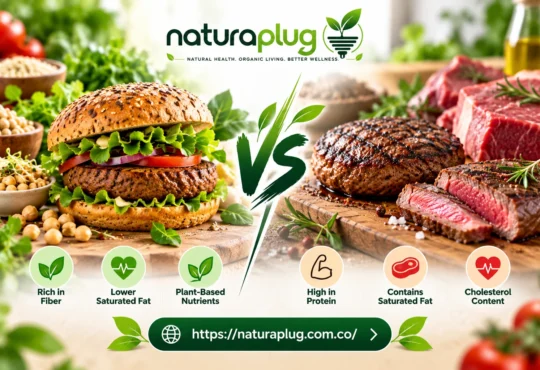
Is plant-based food healthier than meat?
There is no simple yes-or-no answer. A diet rich in vegetables, fruits, whole grains, legumes, nuts, and seeds can be nutritious, but individual foods should be compared based on their protein, fiber, sodium, saturated fat, and overall nutrient content.
Can someone follow a plant based diet without becoming vegan?
Yes. Many people simply increase the amount of plant food in their meals while continuing to eat some animal foods.
What are the best plant-based protein foods for beginners?
Beans, lentils, chickpeas, tofu, tempeh, peas, soy foods, nuts, and seeds are practical choices. Different foods can be rotated throughout the week to provide variety.
Final Takeaway
A plant based diet for beginners can be simple. The foundation is built around vegetables, fruits, legumes, whole grains, nuts, seeds, and other plant foods, with fortified foods used where they provide nutrients that may be harder to obtain.
Beginners do not need to change every meal immediately. Starting with familiar foods, adding plant-based protein sources, keeping meals balanced, and paying attention to nutrients such as vitamin B12, iron, calcium, vitamin D, iodine, zinc, and omega-3 fats can make the eating pattern more practical.
For teenagers, pregnancy, medical conditions, or a fully vegan eating pattern, professional nutrition guidance can be especially useful.
Disclaimer
This article is for general educational purposes and is not a substitute for medical or nutritional care. Nutrient needs vary by age, health status, activity level, and dietary pattern. Anyone making major dietary changes should speak with a qualified healthcare professional or registered dietitian. Parents or guardians should seek professional guidance before a teenager follows a restrictive or fully vegan eating pattern. NaturaPlug does not provide individualized medical advice.