Is Plant-Based Protein Powder Good? Benefits, Nutrition, and What to Know

Yes, plant-based protein powder can be a useful source of protein, particularly for people who have difficulty getting enough protein from regular meals or who prefer to avoid dairy-based protein powders. Common options include pea, soy, rice, hemp, and blended plant proteins. The main issue is not whether plant protein powder is automatically “good” or “bad”; the quality of the product, the overall diet, and the reason for using it matter more.
For teenagers, protein needs are best met primarily through regular foods such as beans, lentils, tofu, soy foods, nuts, seeds, dairy or fortified alternatives, eggs, and other protein-rich foods. Protein powders are supplements, not a requirement for healthy growth or fitness. NIH guidance also notes that people who exercise can often obtain sufficient protein from food, with supplements being useful in some situations.
At a glance
- Plant-based protein powder can provide useful protein.
- Common sources include pea, soy, rice, and hemp.
- Blended plant proteins can provide a broader amino-acid profile.
- Protein powder is not automatically healthier than protein-rich foods.
- Added sugar, sodium, fillers, and unnecessary ingredients are worth checking.
- Protein needs vary by age, growth, activity, and overall diet.
- Teenagers should not use protein supplements as a replacement for balanced meals.
- Anyone with a medical condition, food allergy, or special dietary requirement should speak with a qualified healthcare professional before using a supplement.
What Is Plant-Based Protein Powder?
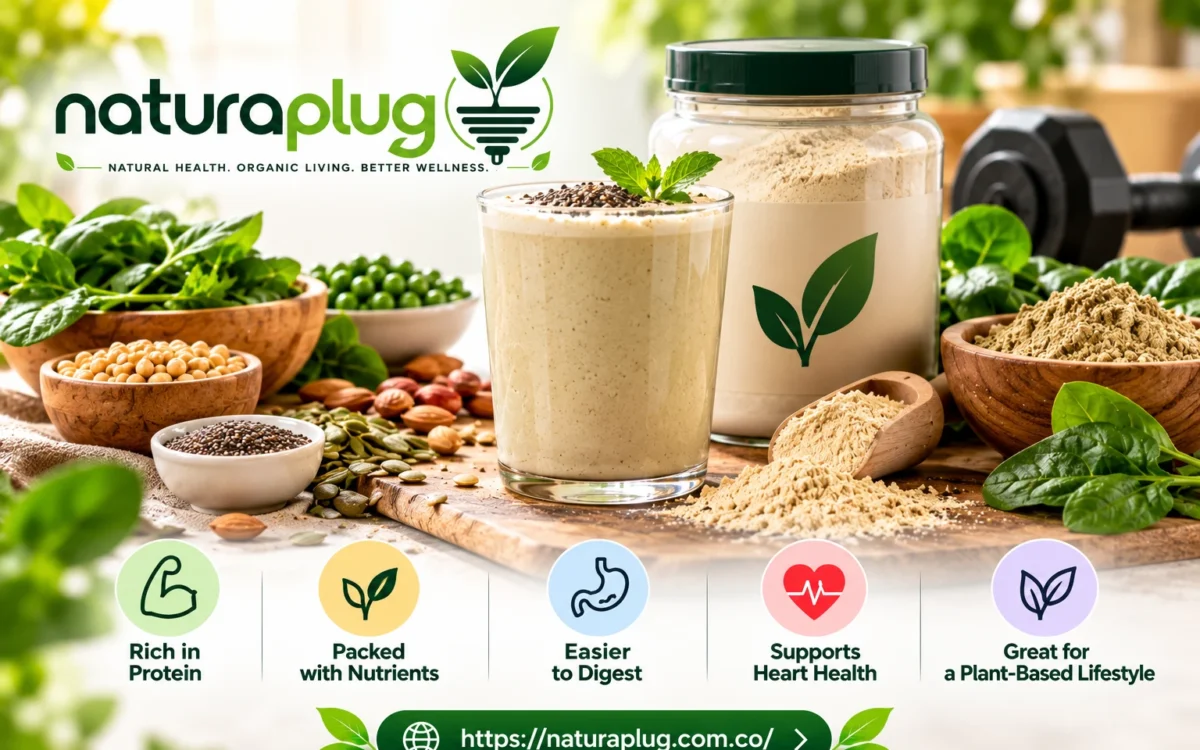
Plant-based protein powder is a concentrated protein supplement made from plants. Manufacturers commonly extract protein from peas, soybeans, rice, hemp seeds, or other plant sources and process it into a powder that can be mixed with liquids or added to foods.
Different powders have different nutritional profiles. Some contain one protein source, while others combine several sources. A blend can be useful because different plant proteins contain different proportions of essential amino acids, the components the body needs to build proteins. NIH notes that plant foods contain different essential amino acids, and eating a variety of plant foods helps provide them.
The important point is that the powder should be viewed as one food or supplement within the overall diet rather than as a special substitute for nutritious meals.
Is Plant-Based Protein Powder Good for You?
It can be, provided it fits the person’s nutritional needs and is used appropriately.
Protein helps the body build and maintain tissues and supports normal growth and development. People who exercise regularly may have higher protein needs than people who are less active, but more protein is not automatically better. NIH’s sports nutrition guidance notes that athletes may require more protein than the standard adult recommendation, while also stating that sufficient protein can often be obtained from food.
For teenagers in particular, growth makes overall nutrition especially important. A protein shake cannot replace the carbohydrates, fats, vitamins, minerals, fiber, and other nutrients supplied by a varied diet.
Types of Plant Protein Powder
Pea Protein
Pea protein is commonly made from yellow peas. It provides a substantial amount of protein and is often used in dairy-free products.
It can be useful for people who avoid milk-based protein powders. However, the nutritional profile still depends on the complete product and serving size.
Soy Protein
Soy is a complete protein source, meaning it provides all nine essential amino acids. Soy protein powder can therefore be a practical plant-based protein option.
People with a soy allergy should avoid it.
Rice Protein
Rice protein is another plant-based option. It can be useful for people who cannot tolerate dairy or soy, although its amino-acid profile differs from soy.
Some products combine rice protein with pea protein to create a broader protein blend.
Hemp Protein
Hemp protein comes from hemp seeds and can provide protein along with some fiber and other nutrients. Its protein concentration can vary considerably between products.
Plant Protein Blends
Blends may combine pea, rice, soy, or other plant proteins. The idea is to combine complementary amino-acid profiles rather than relying on a single source.
Research on protein quality has highlighted the importance of amino-acid composition, including leucine, and digestion characteristics when considering protein’s role in muscle protein synthesis.
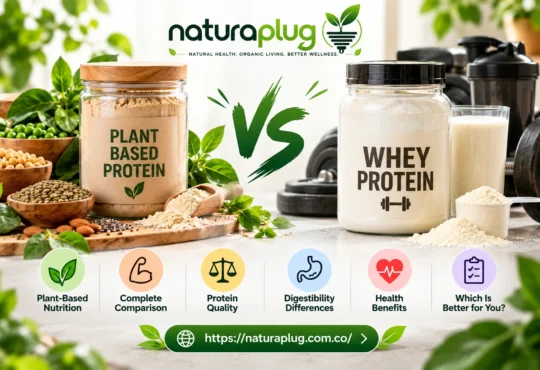
Plant Protein Powder vs. Whey Protein
| Feature | Plant protein | Whey protein |
|---|---|---|
| Main source | Plants | Milk |
| Suitable for vegans | Usually | No |
| Dairy-free | Usually | No |
| Common sources | Pea, soy, rice, hemp | Milk |
| Amino-acid profile | Varies by source | Complete |
| Lactose | Usually absent | Varies by product |
| Protein quality | Varies by source and formulation | Generally high |
Neither option is automatically the right choice for everyone. Dietary preferences, allergies, digestion, nutritional needs, and the rest of the diet all matter.
Does Plant Protein Help Build Muscle?
Protein contributes to muscle growth and repair, but a protein powder does not build muscle by itself.
Resistance exercise, sufficient overall food intake, adequate protein, sleep, and recovery all contribute to physical development. Some plant proteins contain less leucine than dairy proteins, which is one reason researchers pay attention to the total protein amount and amino-acid composition.
For teenagers, strength and muscle development should be approached with age-appropriate exercise, adequate food, and guidance from a qualified professional when needed rather than relying on supplements.
Is Plant Protein Powder Better Than Whole Foods?
Usually, it is better to think of protein powder as a supplement rather than a replacement for protein-rich foods.
Whole foods can provide protein along with other nutrients. For example:
- Lentils provide protein and fiber.
- Beans provide protein, carbohydrates, and fiber.
- Tofu provides protein and minerals.
- Soy foods provide protein and other nutrients.
- Nuts and seeds provide protein along with fats and minerals.
- Dairy or fortified alternatives can provide protein and other nutrients.
A powder can be convenient, but convenience does not make it nutritionally superior.
What Should Be Checked on a Protein Powder Label?
The ingredient list matters more than attractive packaging.
A useful label check includes:
1. Protein amount
Look at how much protein is provided per serving rather than judging the product by the size of the scoop.
2. Added sugar
Some flavored powders contain considerable added sugar. An unsweetened or lightly sweetened option may make more sense depending on the person’s overall diet.
3. Ingredient list
Check for allergens and ingredients that the person needs to avoid.
4. Serving size
Two products can appear similar while using very different serving sizes.
5. Third-party testing
Independent quality testing can provide additional information about the contents of a supplement. It is useful to distinguish this from “FDA approved.” The FDA does not approve dietary supplements for safety and effectiveness before they reach the market.
Are There Any Downsides?
Plant-based protein powders are not automatically risk-free.
Some people may experience digestive discomfort from particular ingredients, especially products containing certain sweeteners, fibers, or protein sources they do not tolerate well. Allergies are another concern, particularly with ingredients such as soy.
Supplements can also contain multiple active ingredients, and the FDA advises consumers to discuss dietary supplements with a healthcare professional when appropriate.
Another issue is that a protein powder can create a false sense that a diet is balanced. A shake cannot compensate for consistently skipping nutritious meals.
How Much Protein Does a Person Need?
Protein needs are individual.
For adults, the standard Recommended Dietary Allowance is commonly expressed as 0.8 grams of protein per kilogram of body weight per day, while people involved in substantial athletic training may have higher needs. NIH notes that athletes may require approximately 1.2–2.0 g/kg/day depending on circumstances.
Those adult figures should not simply be applied to teenagers. Adolescents have different nutritional requirements because their bodies are still growing.
For a teenager who is concerned about getting enough protein, the sensible approach is to discuss the diet with a parent or guardian and a pediatrician or registered dietitian rather than calculating supplement doses independently.
Can Plant Protein Powder Replace a Meal?
It should not routinely replace balanced meals.
A shake may provide protein, but a balanced meal can also provide carbohydrates, healthy fats, fiber, vitamins, minerals, and enough energy to support normal daily activities and growth.
If a teenager regularly has difficulty eating enough food, has digestive problems, follows a restrictive diet, or is worried about nutrition, that is a reason to speak with a healthcare professional rather than simply adding more supplements.
Frequently Asked Questions
Is plant-based protein powder healthy?
It can be a useful protein source, but the product’s ingredients and the person’s overall diet matter. A protein powder is not automatically healthier than whole protein-rich foods.
Is plant protein as good as animal protein?
Plant proteins can provide essential amino acids, but their amino-acid profiles differ by source. Soy is a complete protein, while combining different plant proteins can provide a broader amino-acid profile.
Can teenagers use plant-based protein powder?
Teenagers generally should focus on getting protein from a varied diet. Because they are still growing, supplement use should be discussed with a parent or guardian and a pediatrician or registered dietitian, particularly if there is a concern about nutrition or growth.
Is pea protein a good plant protein?
Pea protein can be a useful plant protein source, particularly for people who avoid dairy. Its suitability depends on the person’s dietary needs, allergies, and the overall formulation of the product.
Does plant protein help with exercise?
Adequate protein supports muscle repair and other physiological processes associated with exercise. However, a protein supplement is only one part of nutrition and cannot replace appropriate training, food, and recovery. Office of Dietary Supplements
Is plant protein powder better than eating beans and lentils?
Not necessarily. Beans and lentils provide protein along with fiber and other nutrients. Powder is mainly useful for convenience or when meeting protein needs through ordinary foods is difficult.
Final Takeaway
So, is plant-based protein powder good? It can be a useful protein supplement, but it is not a nutritional shortcut. The best choice depends on the protein source, ingredients, dietary needs, allergies, and the person’s overall eating pattern.
For teenagers, regular meals should remain the foundation of nutrition. Protein-rich foods such as beans, lentils, tofu, soy foods, nuts, seeds, dairy or fortified alternatives can provide protein while also supplying other nutrients needed during growth. A supplement should be considered only when there is a genuine nutritional reason and with appropriate adult and professional guidance.
Disclaimer: This article is for general educational purposes and does not replace individualized medical or nutrition advice. Protein requirements differ by age, growth, activity level, health status, and diet. Teenagers should speak with a parent or guardian and an appropriate healthcare professional before using dietary supplements. NaturaPlug does not recommend using protein powder as a substitute for balanced meals.